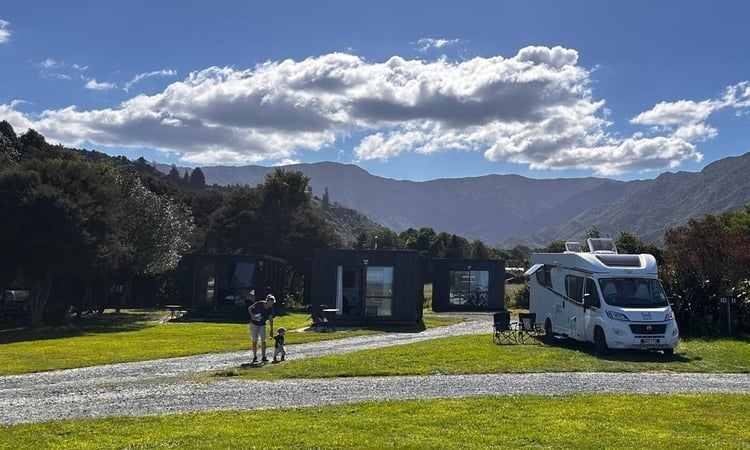
In 2005, Maria Höppner's father booked a two-person Apollo campervan and flew to New Zealand alone. Something went wrong at the depot, and he was handed a four-person camper instead. A solo traveller with a vehicle twice the size he needed, somewhere in the middle of Aotearoa.
He didn't mind one bit.
"He always says that arriving there felt like stepping into another world," Maria recalls. "The landscapes, the atmosphere, the freedom. Even today, we often say that New Zealand is impossible to fully describe. You can show photos and videos, but they never capture what it actually feels like to be there."
That trip rewired him completely. New Zealand became the dream he carried home and, eventually, the dream he shared with his family.
His daughter Maria has now lost count of the number of times she's made the journey from Germany. Her little sister learned to walk on New Zealand soil, and they learned to improve their English naturally through the regular trips.
“Because of all our travels, New Zealand has become like a second home to us,” she said.
“When your parents speak English all the time in another country, you automatically start learning too. Some of our best childhood memories were made in New Zealand, and we honestly cannot imagine our lives without it anymore.”
The family is back once again, this time travelling in a Wilderness motorhome - and they shared their unique experience with us.
Why does motorhome travel work for the family?
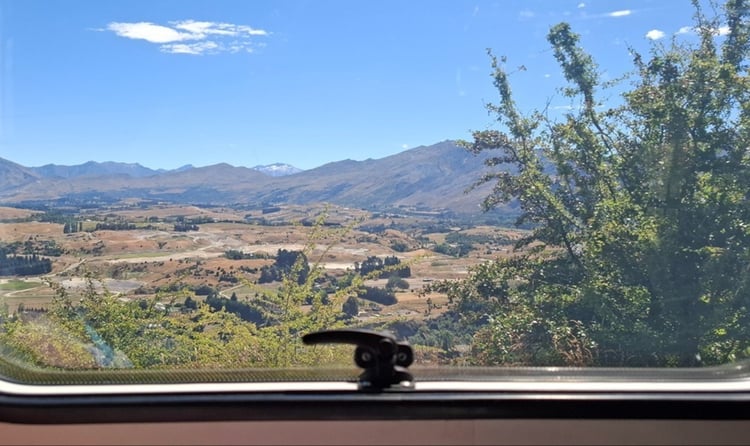
A motorhome offers freedom that no hotel itinerary can match: the freedom to follow good weather, to linger somewhere unexpected, to wake up next to a lake you hadn't planned on.
For a family, it also removes the daily grind of packed bags and checkout times. Everything they need travels with them: the same bed, the same kitchen, the same fridge.
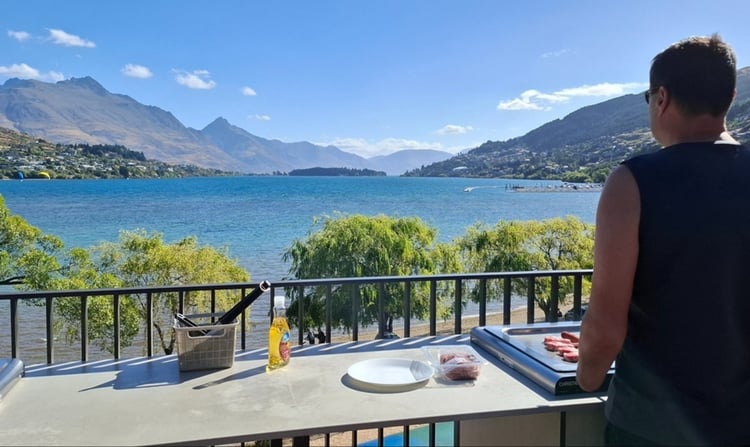
“A motorhome allows you to experience New Zealand much more closely,” Maria said. “You wake up surrounded by nature, cook outside with incredible views, and spend so much more time outdoors.”
For the Höppners, the community spirit of campgrounds is another highlight. Some of Maria's best memories of childhood involved making friends with whoever happened to be staying in the next camper – and as the family has grown, that hasn't changed.
“Campgrounds in New Zealand are incredibly family-friendly,” she said. “As kids, we always loved being able to play freely outside and quickly make friends with other travellers. Everything feels very relaxed and safe.”
“Because you always have your own space with you, the journey also feels more comfortable and personal,” she added. “Some of our favourite family memories were simple moments like having BBQ dinners together, playing games in the camper during rainy evenings, or waking up to amazing mountain views.”
How do you cope with the long-haul flight and jet lag?
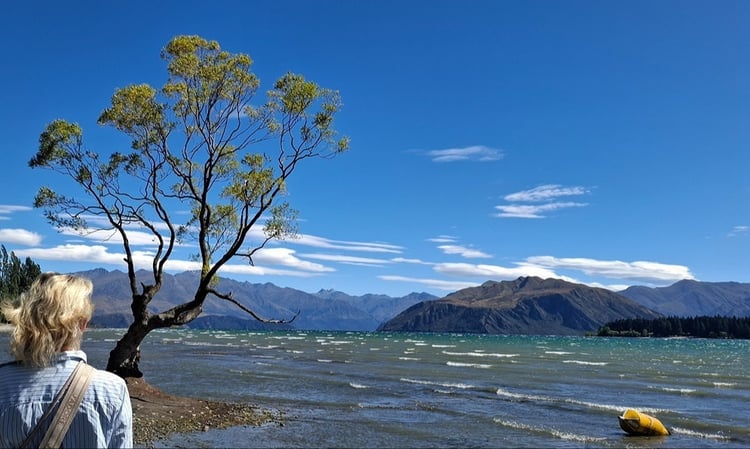
The Höppners are experts on managing the long journey from Europe – something which can be particularly difficult for children. They make the most of extended stopovers by using airport lounges to relax and shower, and they say that timing the arrival is also a good strategy.
"For our family, it is important to arrive in New Zealand around midday if possible," the Höppners explained. "This gives us a few hours to stay active and adjust to the local time before going to bed. Even though those first hours can be quite tiring, we find that it helps us sleep much better at night."
"We also prefer to spend the first night in a proper bed before starting our road trip," they added. "Staying one night in a hotel and collecting the motorhome the following day allows us to recover, adjust to the time difference, and begin the holiday feeling well-rested.”
Which spots are worth returning to again and again?
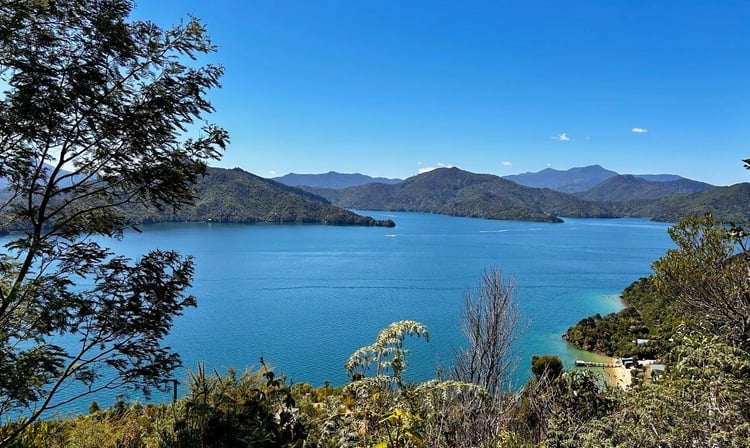
Queenstown, Abel Tasman, and Fiordland are near-permanent fixtures. Barker's is a food favourite, and then there's the Cardrona Hotel – simple enough on the outside, but step inside, and the atmosphere is “incredible.”
Milford Sound and Doubtful Sound also hold a special kind of magic for the family. They’re never the same twice, and there’s something moving about being surrounded by such grandeur.
“We have visited them multiple times over the years, and every single visit felt completely different depending on the weather, the light, the rain, or the clouds,” the family recalled.
“Sometimes Milford Sound feels dramatic and mysterious with heavy rain and waterfalls everywhere, and other times it feels calm and peaceful under blue skies. That constantly changing atmosphere makes every visit unique and unforgettable. There is also something very emotional about these places. The scale and beauty of Fiordland are almost impossible to describe properly.”
Ready to plan your own adventure? Check out our South Island itinerary!
What is travelling with Wilderness actually like?
The Höppner family has rented motorhomes from Apollo, Pacific Horizon, Kea, McRent, and Wilderness over the years. This means they've accumulated something useful: a real, comparative perspective on what good service looks like.
Small issues have cropped up across various trips with various operators over the years. Maria's father, an engineer by profession, has developed something of a side speciality in field repairs as a result.
Over the years, this included tasks like repairing hoses, fixing TV cables, adjusting cupboard locks, troubleshooting an electric step, and much more.
“With McRent, we had a few more practical issues during our 2-month trip, including missing hose connectors, a crack in the windscreen that slowly became larger during the journey, and some general maintenance issues,” Maria said.
“On one trip with Kea, we unfortunately experienced quite significant cleanliness issues when we picked up the vehicle, including food and sweets left behind between the seats. There were also a few technical issues during that journey, such as a leaking wastewater pipe and a faulty TV connection.”
With Wilderness, what stayed with the family was how the well team handled things. On a trip in 2025, a broken camping chair was replaced immediately after one email to the support team.
“Another thing we always loved about Wilderness is the very personal atmosphere during pickup,” the Höppners added.
“Seeing our family name written on the welcome board when we arrive always makes the start of the trip feel special and exciting. The weather and road warning information provided during the trip was also extremely helpful, especially in a country like New Zealand, where conditions can change very quickly. In general, even when small problems happened, they became part of the adventure in a funny way, and looking back now, many of those moments have actually turned into family stories that we still laugh about today.”
The family loved their trip so much that they're returning for another Wilderness experience in the winter, when they'll be travelling in a Suite motorhome.
What advice would you give to first-time travellers in New Zealand?
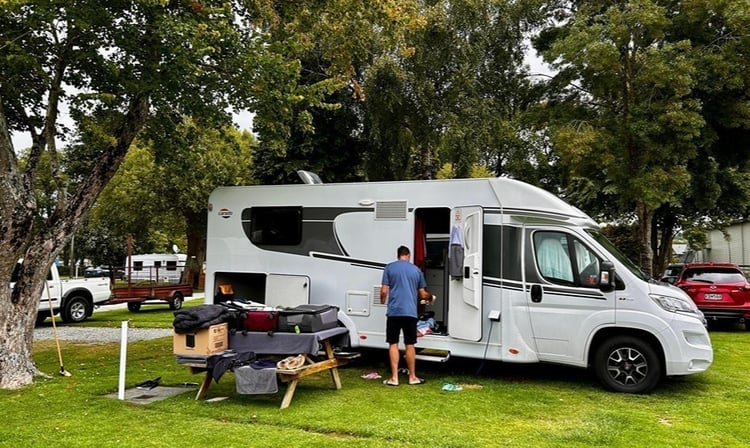
The Höppners have made enough trips to have moved well past the early learning curve – they’re now seasoned travellers with many miles on the clock and plenty of wisdom to share. These are their top tips:
-
Slow down. A lot of people arrive and try to do everything in one trip – and as a result, they never truly enjoy anything. The Höppners say it’s much better to try and do less, but to experience it properly.
-
Stay at least three weeks. This is particularly true for travellers who come from far away. A three-hour flight from Australia is reasonable for a two-week trip, but for travellers from Europe, a minimum of three weeks is a necessity.
“Stay at least three weeks,” the family suggested. “New Zealand is too far away and too special to rush through in only a short time. We would also encourage travellers to speak with locals. New Zealanders are incredibly kind, welcoming, and always happy to help.”
-
Download the apps. Weather conditions are extremely important for route planning in New Zealand, so use MetService to check weather conditions. For campsites, fuel stops, dump stations and everything in between, CamperMate is your best friend.
Want more information on the best apps for New Zealand travellers? Check out our blog. -
Get comfortable with driving on the left. Those arriving from the UK or Australia have nothing to worry about, but for travellers from Canada, the US, or other European countries, it can take some getting used to. Go slow, take your time, and get your passenger to help you out with directions.
-
Allow for flexibility in your schedule, but also plan ahead. The Höppners usually follow the weather, but for families coming from far away, it’s also worth making some advance bookings.
“We would recommend booking flights and starting the planning process at least a year in advance,” they said. “Campsites should also be reserved early, especially during busy seasons. Another important tip is to properly check the motorhome before starting your trip.”
Want more stories of slow travel with the family? Check out Jordyn & Ben’s guest blog.
What’s next for the Höppners?
Until now, the Höppner family has always visited New Zealand in summer. Their next trip is doing something a little different and arriving in the dead of winter.
They’re planning to spend some more time on the North Island this time around, and to catch up with all the friends they’ve made in Aotearoa over the years.
“We are very curious to experience the country in a completely different season,” Maria said.
“My dad is also already looking forward to driving on the left side of the road again! We cannot wait to see our New Zealand friends again and return to places we love. This time we are especially excited to spend more time on the North Island because during our last trip we focused mainly on the South Island.”
Need more road trip inspiration? Check out Dane and Stacey’s Northland road trip.
What New Zealand means to us
.jpeg?width=750&height=449&name=Maria%20Hoeppner_092821%20(1).jpeg)
The Höppners have been asked to explain what New Zealand means to their family more times than they can count. They're aware that no answer is quite adequate.
"New Zealand is something you truly have to experience yourself," the family said. "For us, it is the combination of the breathtaking nature, the freedom, the people, the culture, and simply the feeling we get every time we arrive. The moment we land, it feels like coming home."
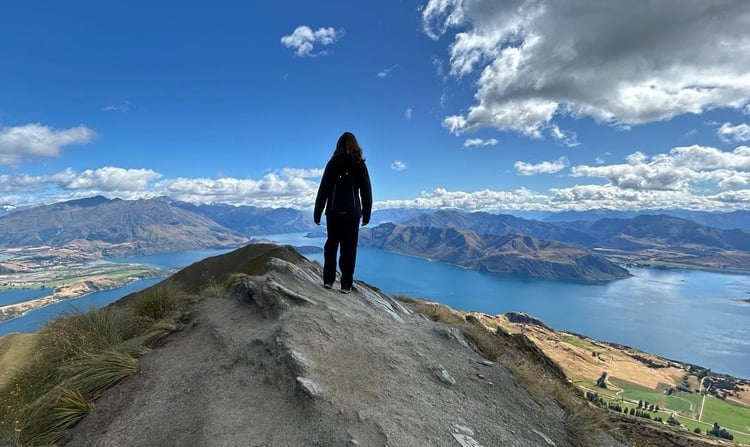
When Maria searches for the words to capture all of it – her father's lone journey in 2005, her sister's first steps on foreign soil, her own first bungee jump, her recent hike up Roy's Peak with her dad – she can’t quite land on a single thing.
"Freedom. Flexibility. Family. Adventure. Nature. Amazing food. Great coffee. And the feeling of being home."
Ready to start your own motorhome adventure? Read our complete guide to motorhoming in New Zealand.