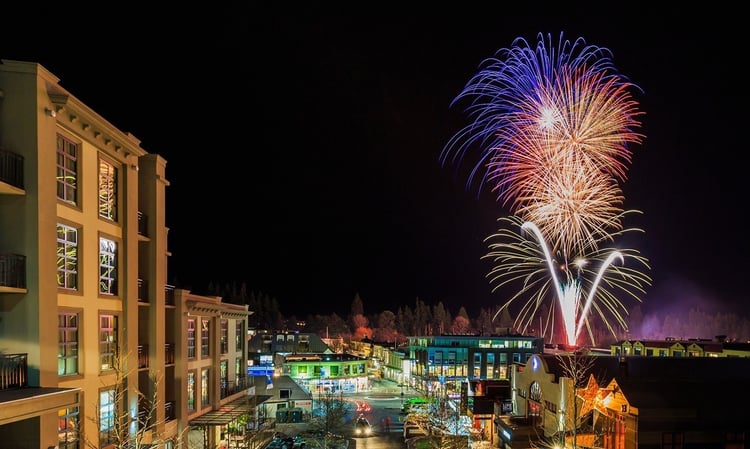
If you’re arriving in New Zealand for the winter season and you think there won’t be much to do except ski, think again. The winter season hosts a plethora of colourful, vibrant festivals nationwide – lantern-lit processions in Dunedin, drum-and-bass street parties on the central plateau, world-class food festivals in Wellington, and stargazing ceremonies beneath some of the darkest skies on earth.
A motorhome is the ultimate mobile basecamp for travellers who want to follow this festival calendar without sacrificing comfort. Travelling in the winter season means fewer crowds, lower rental rates, and access to genuinely spectacular alpine scenery. You'll wake up close to the action, retreat to a warm private space between sessions, and have the freedom to change your plans on a whim.
Ready to hit the road? Here’s our ultimate guide to Aotearoa’s best winter festivals.
Why is a motorhome the best way to experience New Zealand’s winter festivals?
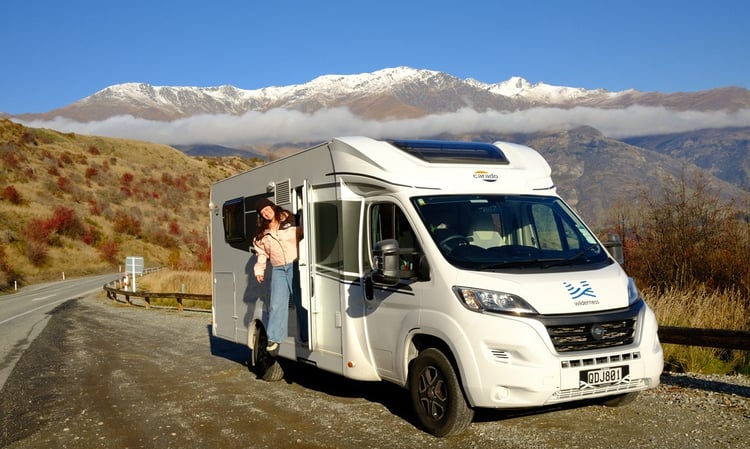
Travelling New Zealand's winter festival circuit by motorhome means you’ll stay close to the action and have a warm and comfortable space to retreat into at any time.
Proximity to events: You’ll be able to stay overnight near festival venues instead of commuting from distant accommodation. This is especially valuable for events with late-evening lantern sessions or dawn Matariki ceremonies.
A warm retreat: A fully winterised motorhome with central heating means you can retreat to a cosy, private space for meals and rest between outdoor festival sessions.
Total flexibility: Hiring a motorhome means freedom. You can fall in love with a place and stay an extra night. If an event schedule changes or the weather is bad, you can change your itinerary on a whim without stressing about hotel check-in and check-out times.
Winter savings: Motorhome rental rates over the quiet months of June – August tend to be significantly lower compared to what you'd pay over the peak Christmas/New Year period. This means you can take a longer adventure for considerably less.
Want to know more about what it’s like to travel by motorhome in New Zealand during the winter? Check out our blog.
What are the must-visit South Island winter festivals for motorhome travellers?
Dunedin Midwinter Carnival
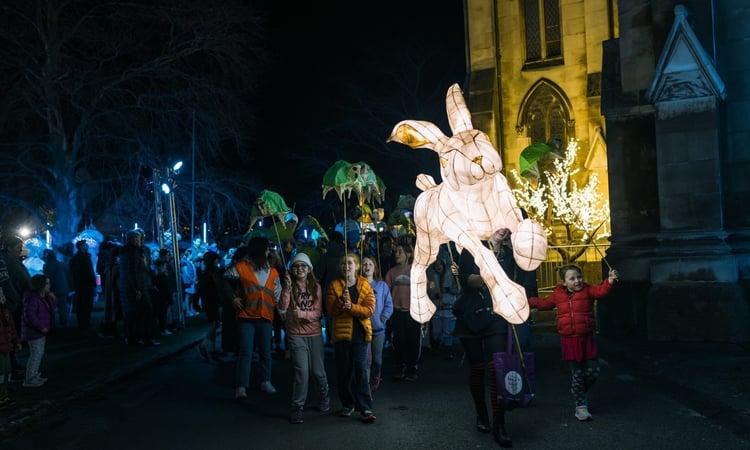
Image by Midwinter Carnival
Held on the weekend closest to the winter solstice, the Dunedin Midwinter Carnival is one of New Zealand's most beloved community events. It is run by volunteers, and has been gathering thousands of people in the heart of Dunedin for more than 20 years.
Held on the historic grounds of First Church on Moray Place, it features giant handmade lanterns crafted by local artists, costumed performers, aerial acts, dance troupes, live music, and food trucks. Lantern-making workshops are held in the weeks prior, so you’ll see plenty of proud artists carrying their own creations through the night.
Each year is centred around a new theme – the 2026 theme is “Rustle in the Night”, dedicated to Aotearoa’s unique nocturnal wildlife.
Quick facts
When: Late June, on the weekend closest to the winter solstice
Location: First Church, Moray Place, Dunedin
2026 dates: 12 – 13 June
Where to stay: Thomas Burns Car Park is the most convenient base. Allow 10 minutes to walk from your site to Moray Place.
Information & tickets: Dunedin Midwinter Carnival
NZ Mountain Film & Book Festival – Wānaka & Queenstown
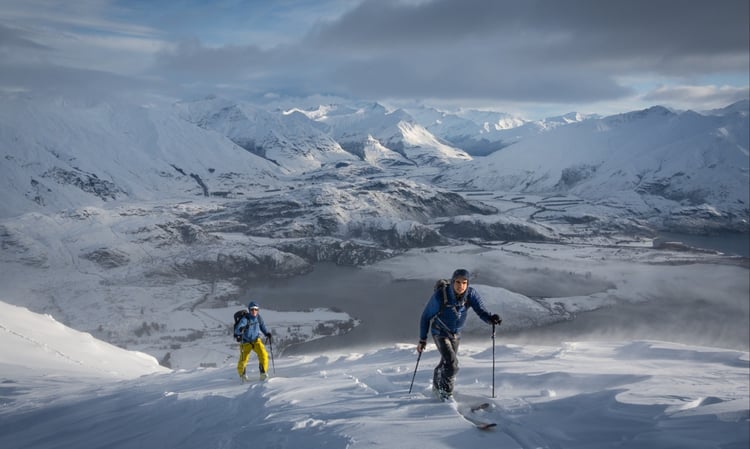
Image by Gavin Lang
Wānaka is one of New Zealand's most beautiful places to be in winter, and the NZ Mountain Film & Book Festival is a great excuse to visit.
Running since the early 2000s, the festival draws in filmmakers, writers, athletes, and outdoor enthusiasts from across New Zealand and abroad.
You’ll be treated to a curated selection of adventure films produced by competition finalists. They feature everything from climbing and skiing to kayaking, trail running, conservation, and human endurance in wild places – and more. They are screened in themed sessions with guest speakers, including world-record-holding adventurers and acclaimed mountain guides.
A mountain book competition runs alongside the film programme, with readings, launches, and author talks that round out the offering for anyone who loves stories of wild places.
The festival runs for five days in Wānaka before moving to Queenstown for a weekend programme, and an online edition follows for those who can't make it in person.
Quick facts
When: Late June, annually
Location: Wānaka (Lake Wānaka Centre, 89 Ardmore St) & Queenstown (Queenstown Memorial Centre, 1 Memorial Drive)
2026 dates: Wanaka: 19–23 June | Queenstown: 25–26 June | Online: July
Where to stay: Hampshire Holiday Parks is a 15–minute walk to Lake Wānaka Centre. In Queenstown, we suggest paying for daytime parking at Lakeview Car Park.
Information & tickets: NZ Mountain Film & Book Festival
Winter Pride – Queenstown
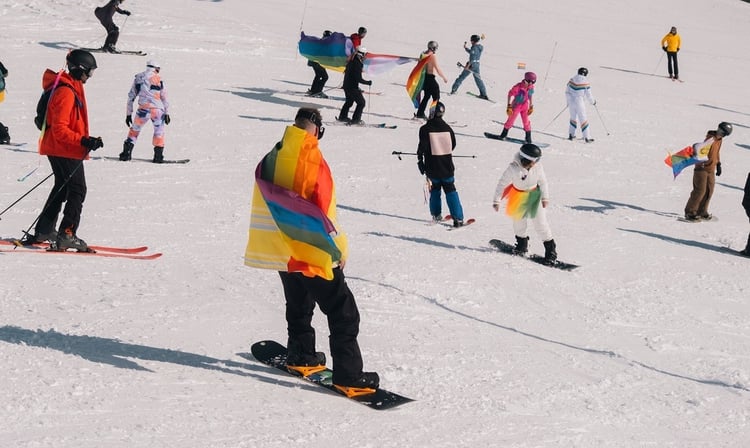
Image by Winter Pride
Founded in 2003 as a small gathering of friends on a ski trip, Winter Pride has grown into the Southern Hemisphere's largest LGBTQIA+ snow season festival. It’s a vibrant 10-day celebration of diversity that takes over Queenstown each August.
You’ll get to enjoy some serious skiing on world-class mountains, as well as a programme that runs from morning to well past midnight. The event hosts themed ski days across the three main ski fields – Coronet Peak, The Remarkables, and Cardrona – with costume themes, on-mountain competitions and aprés-ski sessions.
Off the slopes, the Pride Party Series is a great time for adults wanting to let loose, and ASB Pride in the Park is fun for the whole family.
Quick facts
When: Mid to late August, annually
Location: Queenstown Town Centre, The Remarkables, Coronet Peak, Cardrona
2026 dates: 15 – 24 August
Where to stay: Freedom camping spots fill up fast in Queenstown, so we recommend booking a site at Driftaway Queenstown and heading into town via water taxi.
Information & tickets: Winter Pride
Matariki Mackenzie – Lake Tekapo
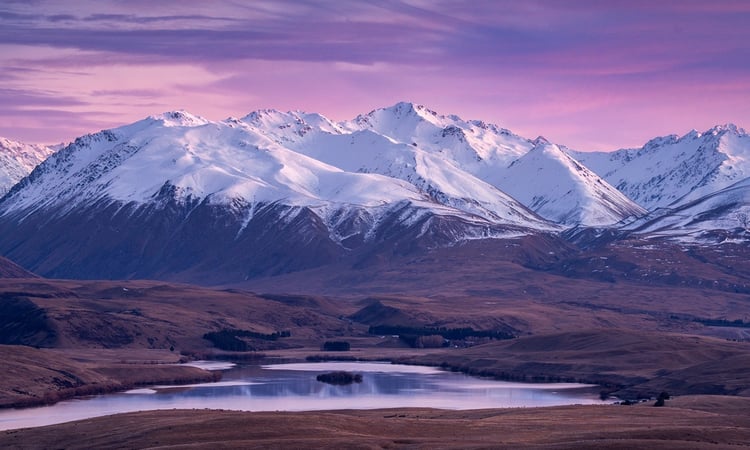
Lake Tekapo sits within the Aoraki Mackenzie International Dark Sky Reserve – one of the largest certified dark sky reserves in the world – making it one of the most extraordinary places in the country to observe Matariki, the Māori New Year, and see the rising of the Pleiades star cluster.
In past years, the Matariki Mackenzie event has brought together astronomy, Māori cultural practice, guest speakers, and community celebration in this exceptional setting. It was paused in 2025, with plans for a return in 2026 – check the event page closer to the time.
The pre-dawn Hautapu ceremony – where communities gather to watch the Matariki stars rise and reflect on the year passed – is the traditional and spiritual heart of Matariki across New Zealand. Many communities in the Mackenzie and Canterbury regions hold pre-dawn ceremonies around this time. Check local iwi and council event listings in May each year for what's on and what's open to visitors.
Quick facts
When: Matariki public holiday, late June to mid-July
Location: Tekapo Lakefront
2026 dates: 10 July
Where to stay: Book a site at Lake Edges Holiday Park, which sits right on the lakefront.
Information & tickets: Matariki Mackenzie
Alpine Winter Festival – Hanmer Springs
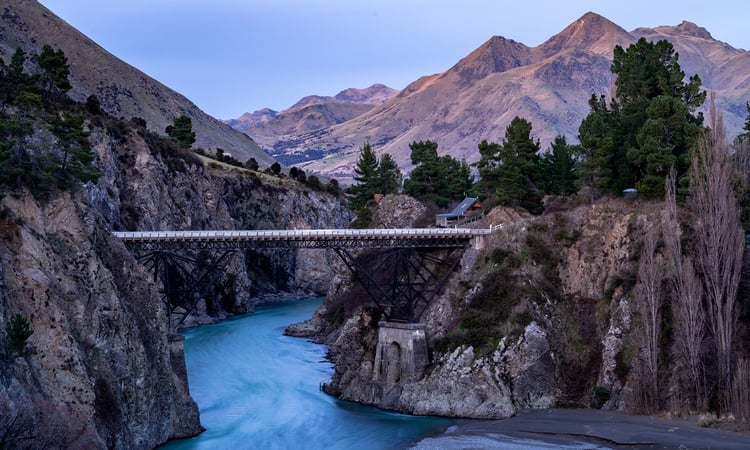
Hanmer Springs is Canterbury's alpine spa village – a small, contained settlement an hour and a half north of Christchurch, tucked into a valley surrounded by forested hills. During the winter school holidays, the village comes into its own, and the Alpine Winter Festival kicks off.
The festival is one of the most accessible on this list — there's something for every age and interest, and the compact nature of Hanmer means you can walk to everything from your campsite.
Expect a diverse programme that includes an ice-skating rink, ski field open days, glowing plunge pools at the thermal spa, interactive light displays, glow-in-the-dark outdoor puzzle hunts, alpine markets, and stargazing sessions. For families with young children, this festival is the one to plan for!
Quick facts
When: Early to mid July, annually
Location: Various locations throughout Hanmer Springs
2026 dates: 4 – 18th July, with an extra day of activities on 28 June
Where to stay: Hanmer Springs Top 10 Holiday Park is a great base with easy access to town.
Information & tickets: Alpine Winter Festival
Snow Machine – Queenstown
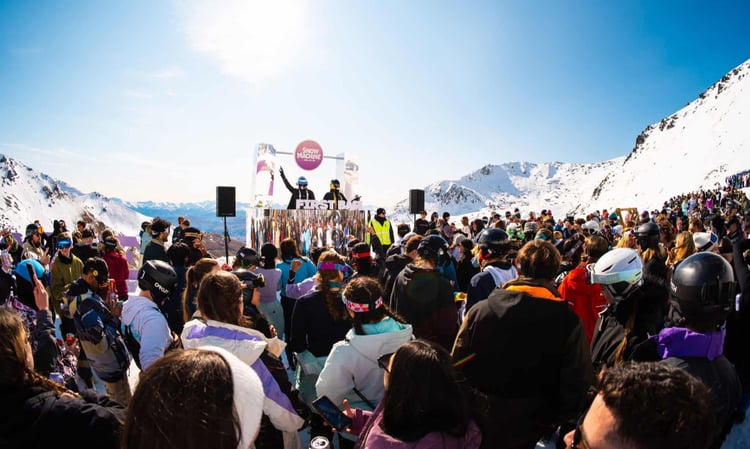
Image by Snow Machine
Snow Machine is Queenstown's biggest week of alpine music – a multi-day festival with world-class DJs, live music lineups, after-parties, and ski resort access. It runs in September, at the tail end of the ski season, catching the last of the snow while the energy of a summer festival starts to creep in.
By day, on-mountain aprés stages at Coronet Peak and The Remarkables blast music across the slopes. By night, the programme moves to a main arena in central Queenstown, where headline acts perform under the stars. The festival typically hosts a lineup of international and Australasian electronic, pop, and live music artists.
Snow Machine has grown quickly since its New Zealand debut. The Queenstown edition is now in its fifth year, and the Rees Street Party has been added as a free community component that gives the broader Queenstown public a stake in the week. If you're still in the country at the end of ski season, it's a brilliant send-off.
Quick facts
When: September, annually
Location: Coronet Peak, The Remarkables & Queenstown Town Centre
2026 dates: 8 – 13 September
Where to stay: Freedom camping spots fill up fast in Queenstown, so we recommend booking a site at Driftaway Queenstown and heading into town via water taxi.
Information & tickets: Snow Machine
Which North Island winter festivals should you add to your motorhome itinerary?
Greytown Festival of Christmas – Wairarapa
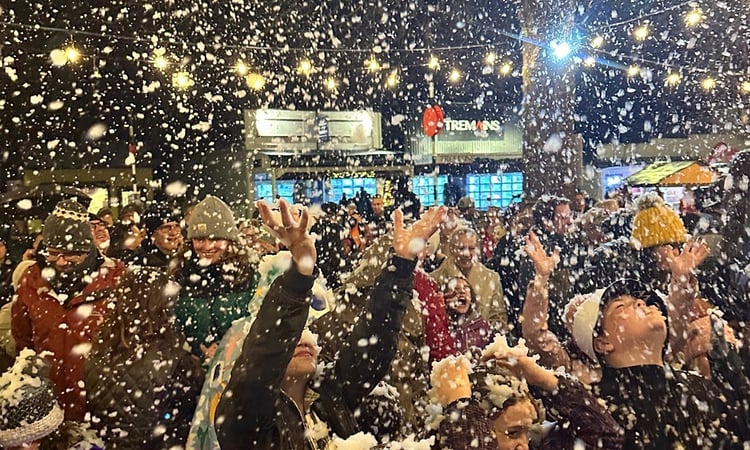
Greytown is a small, beautifully preserved Victorian town in the Wairarapa, and every July it becomes the setting for one of New Zealand's most charming winter events. This is a very Northern Hemisphere-style Christmas, complete with snow machines, twinkling lights, mulled wine, and carollers on Main Street.
The festival runs for the full month of July across five weekends, with new themes each year. Recurring highlights include the iconic Light Up Truck and Tractor Parade – a procession of illuminated vehicles – the Illumination Night Walk through the grounds of Cobblestones Heritage Museum, night markets along the closed main street, comedy acts, and the spectacular closing-night fireworks.
The town is small enough to explore on foot, the food and drink scene along Main Street is excellent, and the atmosphere – open fires, snow machines dusting the crowd, families in Christmas jumpers – is really joyful.
Quick facts
When: Five weekends across July, annually
Location: Main Street, Greytown, Wairarapa
2026 dates: 27 June – 25 July
Where to stay: Base yourself at Greytown Campground – a short stroll from the Main Street festivities.
Information & tickets: Greytown Village

We visited the Greytown Winter Festival in 2024, and it’s easily one of our favourite winter events in New Zealand. Greytown itself is worth the trip alone – a beautifully preserved small town in the Wairarapa, founded in 1854 and known for having one of the most complete Victorian main streets in the country. The heritage buildings are lovingly maintained, with ongoing preservation efforts helping retain their historic charm.
The drive out is part of the experience. You can head through Masterton, which is a great stop with kids – there’s a fantastic playground and lake where you can feed eels and ducks or stretch your legs with a walk. We based ourselves at Mawley Holiday Park – Masterton, which worked really well and made for an easy drive to and from Greytown.
The festival runs over several days, so it’s worth checking the programme in advance and choosing a few key events to build your visit around.
One of our highlights was the night markets, tucked down the charming side alleys behind Greytown’s main street. Think food trucks, mulled wine, local arts and crafts, fairy lights, and a really festive atmosphere. There was even someone dressed as Santa handing out lollies – a hit with the kids. It’s the kind of place where you can wander, eat, browse, and just soak it all in.
During the day, take time to explore Greytown itself. The main street is lined with antique stores, boutiques, and a beautiful old bookstore. It’s compact and easy to walk, making it perfect for a relaxed wander from one end to the other.
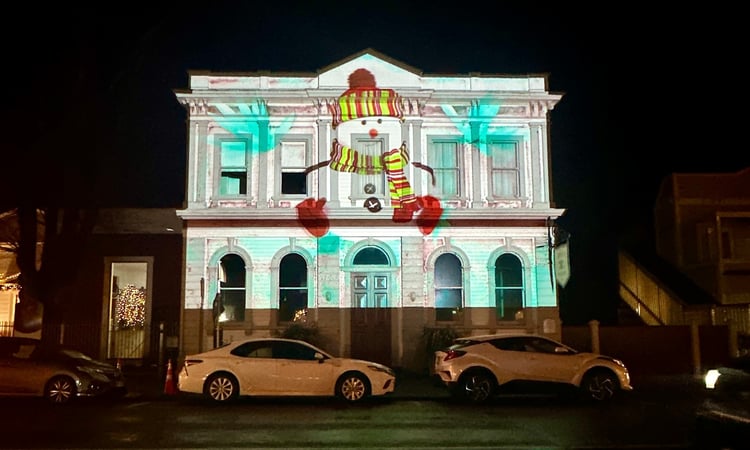
For a special meal, we’d highly recommend The White Swan. Set in a striking heritage building, it’s a great spot to sit with a meal and a glass of wine and watch the festival unfold around you. The building itself has an incredible story – it was originally built in 1905 in Lower Hutt as a railway administration building, before being relocated in sections over the Remutaka Hill and carefully restored in Greytown in the early 2000s. It’s a great example of how the town preserves and repurposes its historic architecture.
In the evenings, the town really comes alive. A must-do is the “Snowfall on Main Street” event, where artificial snow is blown across the crowd – it’s magical for both kids and adults and adds to that festive, wintery feel. There are also light projections onto the heritage buildings, creating a cosy, almost storybook-like atmosphere.
It’s a uniquely Kiwi take on a winter celebration – a little bit like a mini, small-town version of a white Christmas, right in the middle of June/July.
Visa Wellington on a Plate – Wellington
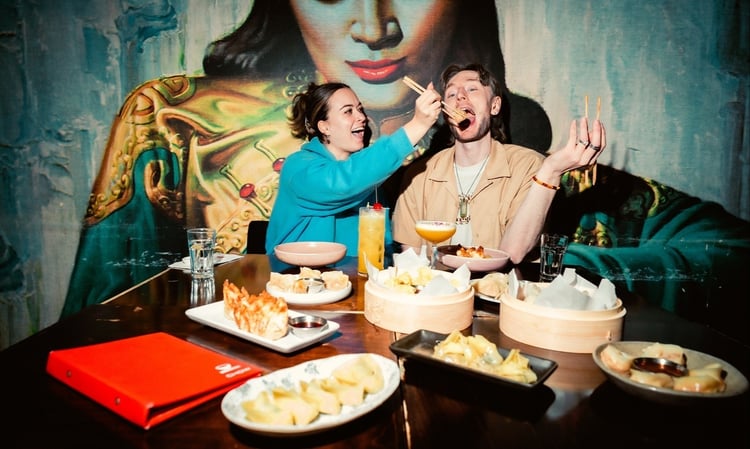
Wellington is widely regarded as New Zealand's culinary capital, and every August it dedicates the entire month to proving the point. Visa Wellington on a Plate is New Zealand's largest food festival, and it began in 2009 as a direct response to the global financial crisis: a way to support the city's hospitality industry through the quietest month of the year. It has since grown into an event that contributes an estimated $10 million to Wellington's local economy and attracts visitors from across the country.
The centrepiece is Burger Wellington – a city-wide burger competition in which more than 200 venues create a unique festival-only burger, judged by public vote. The results range from classic to deeply experimental.
The events programme also includes exclusive ticketed experiences: intimate dinners, masterclasses, pop-up concepts, and chef collaborations that wouldn't exist outside the festival.
Quick facts
When: August, annually
Location: Wellington City. The website’s programme guide will help you navigate the various locations.
2026 dates: 1 – 31 August
Where to stay: Self-contained vehicles can park up at Evans Bay Marina – just make sure to get in early. You can also camp at Owhiro Bay’s freedom campground and take the 29 bus into town.
Information & tickets: Visa WOAP
Mardi Gras – Ohakune
Set in the small ski town of Ohakune at the edge of Tongariro National Park, the Mardi Gras – now over 30 years old – is one of New Zealand’s biggest annual winter street festivals.
The main street gets closed, a large outdoor stage is erected, and from early afternoon until late evening, the town becomes one continuous party. The music leans heavily toward drum and bass, with major Australasian and international acts on the bill each year. Pyrotechnics and lighting rigs give it a large-scale atmosphere despite the remote setting, and the surrounding ski area means many attendees combine Mardi Gras with a ski weekend.
For motorhome travellers, Ohakune is a beautiful place to spend a few days. The Desert Road and the Forgotten World Highway are accessible from here, and the town has a relaxed winter character that’ll make you want to stay a while.
Quick facts
When: Early July, annually
Location: Ohakune Town Centre
2026 dates: 4 July
Where to stay: Book a space at Ruapehu Holiday Park
Information & tickets: For the most up-to-date information, see the Mardi Gras NZ Instagram page
Taupō Winter Festival
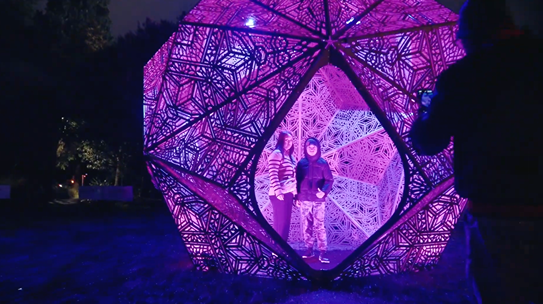
The Taupō Winter Festival turns an already great destination into a go-to winter getaway. The festival typically runs during the July school holidays and is filled with live performances, light displays, and fun family activities.
The festival's programme varies year to year but has included an ice rink on the waterfront, a light hub, a winter ball, community events, and family-focused activities that make the most of the lake and mountain backdrop.
It's a more relaxed festival than some others on this list – less about headline acts and more about the experience of being in Taupo in winter, with a little extra magic layered on top.
Quick facts
When: Early to mid-July, annually
Location: Lake Taupō Waterfront
2026 dates: 3 – 19 July
Where to stay: Book a space at Taupō Top 10 Holiday Park
Information & tickets: Taupō Winter Festival
Matariki Celebrations – Auckland & Rotorua
Matariki – the Māori New Year – has been a New Zealand public holiday since 2022, and each year, the nationwide celebrations grow richer. On the North Island, Auckland and Rotorua offer some of the most accessible programmes for visitors.
Rotorua is arguably the most immersive destination for Matariki. The city has deep roots in Maori culture, and the Matariki celebrations here reflect that – pre-dawn Hautapu ceremonies where the community gathers to celebrate, reflect, and plan for the year ahead.
The Matariki ceremony at Te Puia geothermal park is free to attend – just make sure to secure a ticket. Rotorua also hosts a light exhibition and drone shows, as well as a night market that brings colour and warmth to the winter evenings.
Auckland's events include waterfront ceremonies, cultural performances, and exhibitions across multiple venues. The scale of the city means more choice, though the most meaningful events tend to be the smaller, community-led gatherings rather than the large ticketed shows.
Keep an eye on Auckland’s official Matariki page for an up-to-date list of events.
Quick facts
When: Events run from mid-June to mid-July
Location: Various locations across Auckland & Rotorua
2026 dates: 20 June – 10 July
Where to stay: Rotorua: Park up at Rotorua Thermal Holiday Park. | Auckland: For a central location, we suggest Remuera Motor Lodge. In dry weather, you can park your motorhome at Ambury Campground.
Information & tickets: Rotorua Lakes Council – Matariki | Matariki Festival Auckland
How can you plan your motorhome route around Matariki celebrations?
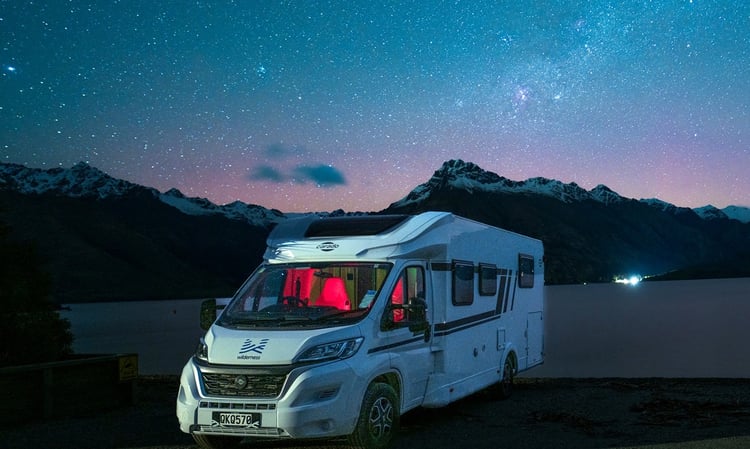
In New Zealand, the indigenous Māori New Year – Matariki – is celebrated in the winter between June and July.
“Matariki” means "eyes of the god" – a reference to the nine stars of the Pleiades cluster, whose appearance in the pre-dawn sky marks the start of the new year. It is a time of quiet reflection and remembrance, followed by food (kai), singing (waiata), and planning for the year ahead.
Matariki events happen across the whole country, so a motorhome is a natural fit. You can follow the calendar from one ceremony or celebration to the next without being locked into a fixed base. Here's how to approach it.
Start with the date: The Matariki public holiday shifts slightly each year, falling anywhere between late June and mid-July. Lock this in first, then build your itinerary around it.
Find your events: Matariki is celebrated differently in every region – some communities hold pre-dawn ceremonies at the water's edge, others put on light shows, markets, kapa haka performances, or stargazing nights.
Good places to find what's on include:
-
Local Facebook pages
-
Regional council event calendars
-
Eventfinda and local tourism websites (search early, as some events sell out)
Chase the dark sky: The most powerful Matariki experiences happen somewhere you can actually see the stars. Plan to be away from city lights around the public holiday and head to a dark sky sanctuary:
-
South Island: The Mackenzie Basin (Lake Tekapo, Aoraki/Mt Cook) sits within a certified Dark Sky Reserve – one of the best stargazing environments in the world
-
North Island: The Wairarapa, Coromandel, and Central Plateau all offer good dark sky conditions
Essential tips for staying warm in your motorhome during festival season
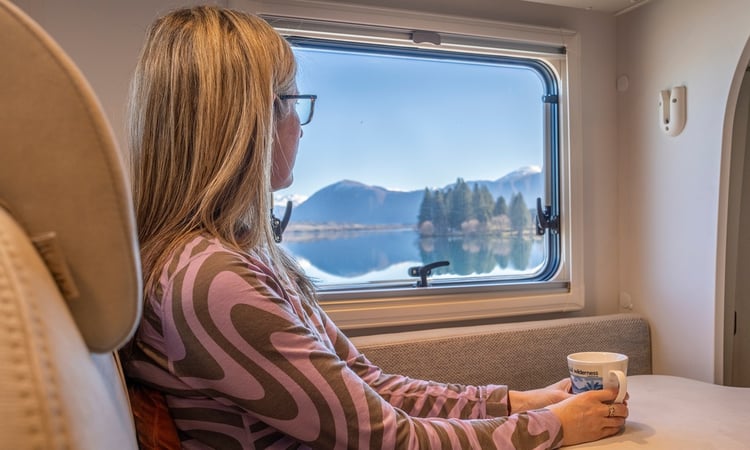
The single best thing you can do is choose a fully winterised motorhome, such as those on the Wilderness fleet – they are designed to keep you warm and cosy in the coldest conditions.
To keep the cold at bay, you need an effective central heating system, full insulation, and double-glazed windows. The combination of these three elements gives you the best comfort on the coldest days.
Here are our top tips for keeping warm:
-
Monitor your gas. Keep your heating topped up. If one cylinder runs out in the night, a full spare means you're never left in the cold.
-
Manage moisture. Designate a space near the door for wet jackets and boots after snowy festival sessions — keeping the interior dry and comfortable. If you hire a motorhome with a ducted heating system in the bathroom, you can use it as a storage room for wet clothing. All Wilderness motorhomes have this feature.
-
Use dead space cleverly. If your motorhome has a drop-down bed, use it to store bulky thermals and jackets during the day.
-
Pack your clothing in layers. New Zealand winter can swing from brilliant sunshine to sleet in an afternoon. Thermal underlayers, a quality mid-layer, and a waterproof outer shell are the basics.
-
Drive with care. New Zealand roads in winter can have ice, black ice, and fallen debris — especially on alpine routes. Always check the Drive Safe website before heading out on mountain roads, and carry snow chains during the winter season.
Want more inspiration for your winter road trip? Check out our guide to the top 10 winter adventures for a family with teenagers.