About this itinerary
Where golden beaches meet ancient wilderness
Imagine waking up to birdsong in an ancient forest, spending your afternoons digging your own hot pool on a beach, and ending your evenings watching the sun sink into the Pacific. Welcome to the Coromandel Peninsula.
This 7-day journey takes you through one of New Zealand’s most beloved corners and is easily reached from Auckland. It’s a place where dramatic volcanic peaks meet pristine coastline, where gold rush history hides in mossy gorges, and where some of the world's most beautiful beaches are still only reachable on foot.
You'll travel a land of quiet contrasts – from the rugged wilderness of Coromandel Forest Park to the sun-soaked shores of Hahei, from the geothermal wonders bubbling beneath Hot Water Beach to the glittering glow worm tunnels of Karangahake Gorge. And everywhere in between, you'll find the kind of unhurried, easy charm that makes the Coromandel so hard to leave.
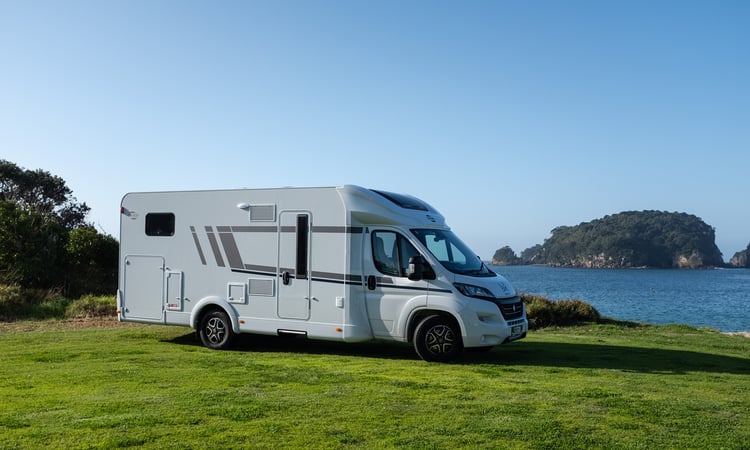
Throughout this journey, you'll find insider travel tips alongside fascinating facts, myths and legends about each destination. Our itinerary balances the iconic with the unexpected, giving you the freedom to explore while staying comfortable in your Wilderness motorhome as your home base.
Get ready for a week that will make you wonder why you ever needed a reason to leave Auckland in the first place.
Itinerary highlights:
-
The iconic Cathedral Cove
-
Digging your own hot pool at Hot Water Beach
-
Hiking to the Pinnacles summit in Coromandel Forest Park
-
Kayaking to Whenuakura (Donut) Island off the coast of Whangamatā
-
The dramatic gold mining history of Karangahake Gorge
-
Cruising the Pacific Coast Highway
-
Glow worms in an ancient railway tunnel
-
The laid-back charm of Coromandel Town
-
Riding the Driving Creek Railway through native bush
-
Unspoilt white sand beaches
Day 1: Auckland to Thames
Leave the city lights behind
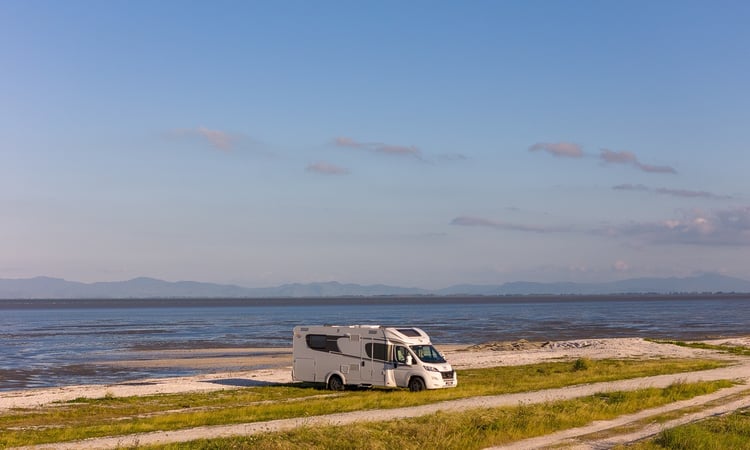
Swap out Auckland’s skyline for the open road as you head south on State Highway 1. Once you’ve passed Bombay Hills, follow signs going east towards the Coromandel Peninsula.
Alternatively, take the Seabird Coast route. Head south-east out of Auckland towards Clevedon and Maraetai. This road hugs the Hauraki Gulf and takes you past the Miranda Shorebird Centre. If you have an extra hour to spare, we highly recommend travelling this way. You’ll see some beautiful coastal views and have a chance to spot unique shorebirds – much more interesting than spending hours on a motorway.
As you drive on, Auckland’s motorways will give way to winding roads and the classic rolling farmland of the Waikato region.
By the time you reach Thames, Auckland’s big-city energy will be well and truly replaced with a sleepy, historic town charm. It wasn’t always like this, though – when gold was discovered here in the late 1800s, its population was bigger than Auckland!
|
Travel tip If you’re picking up your motorhome later in the day, be prepared for the infamous Auckland traffic jam. Traffic starts piling up at around 3 pm and gets steadily worse throughout the afternoon. If you’re travelling during the rush, allow plenty of extra time to reach your destination. |
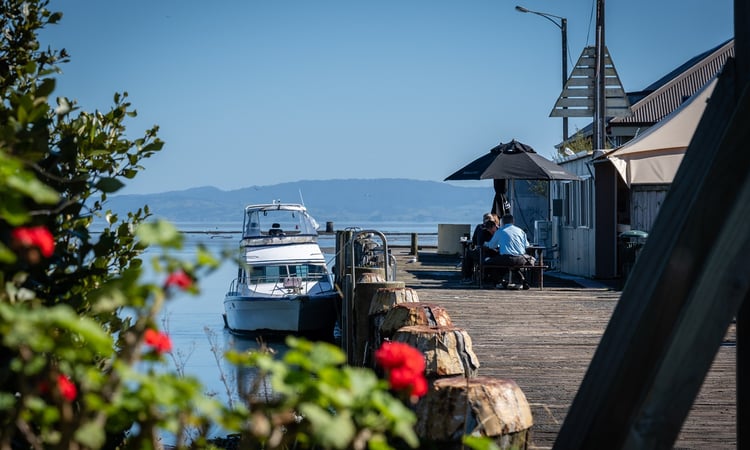
Things to do in Thames:
-
Explore a real historical gold mine at Thames Goldmine Experience. Keep your eyes peeled for shimmers – you never know!
-
Wander around the Saturday Thames Market for locally produced food, drink, and handmade goods.
-
Have a stroll down the scenic Thames Coastal Walkway. Stop at the disused Burke Street Wharf, built in the 1870s – it’s a hotspot for sunset photography.
-
Immerse yourself in the lives of Thames’s earliest residents at Thames Museum Te Whare Taonga o te Kauaeranga. Learn about the town’s settlement by tangata whenua, through to the opening of the first goldfield in 1867.
Distance: 106km
Travel time: 1hr 40mins
Route: Auckland to Thames (alternatively, take an extra hour to drive the coastal road via Maraetai)
Stay: Rhodes Park Reserve Freedom Camping, or book a powered site at Dickson Holiday Park.
Resources: Thames NZ
|
The barb of Māui’s fish The Māori name for the Coromandel Peninsula is Te Tara-o-te-Ika-a-Māui – the jagged barb of Māui’s fish. According to legend, the North Island is a giant fish hauled out of the sea by Māui. Have a look at a map, and you’ll see that the Coromandel Peninsula is shaped like a barb or a jagged fin, jutting out from the back of a great fish that’s being pulled towards the South Island. |
Day 2: Thames to Coromandel Forest Park
Hiking boots at the ready
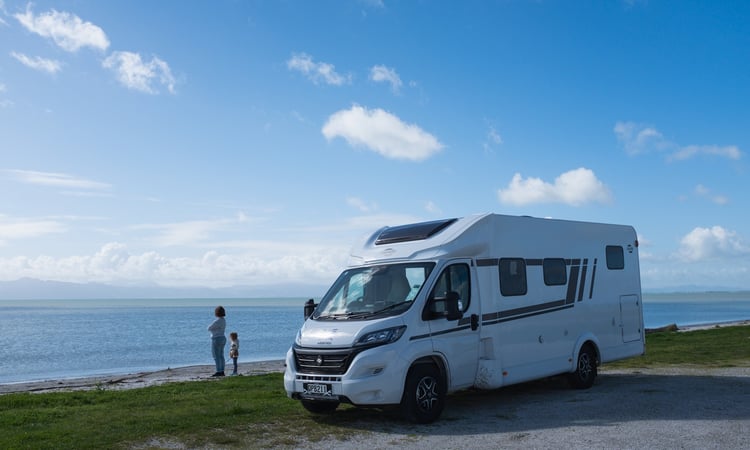
Today, you’re truly leaving the world behind to venture into the rugged wilderness of Coromandel Forest Park.
Start your day with a coffee and some fresh fish at The Wharf Cafe. Then turn off State Highway 25, heading towards Kauaeranga Valley Road.
Around 13km in, you’ll reach Kahikatea Campsite. Here, the concrete road disappears, and you’ll be driving over unsealed gravel for about 9km until the road ends. Your Wilderness motorhome is allowed to drive on gravel (other rental companies may not allow this – always check your rental contract), but take it slow and drive carefully!
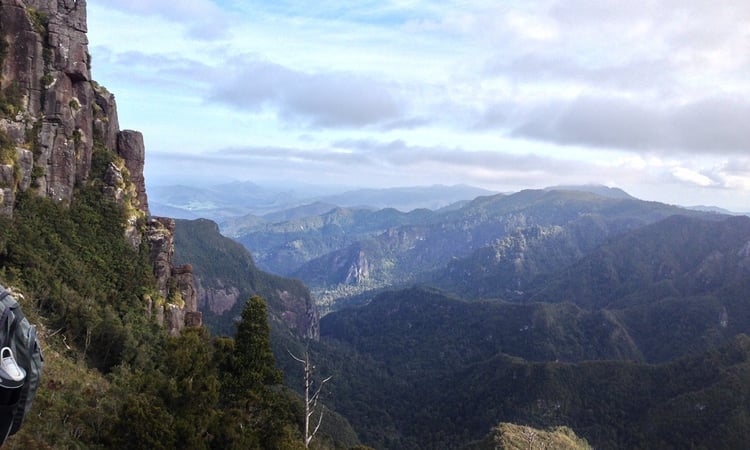
Once you reach the road's end, strap on your boots, grab your hiking poles, and head up to the Pinnacles summit. This steep climb draws hikers from all over the world, and it’s easy to see why – the views of the jagged rhyolite volcanic peaks from the top are breathtaking.
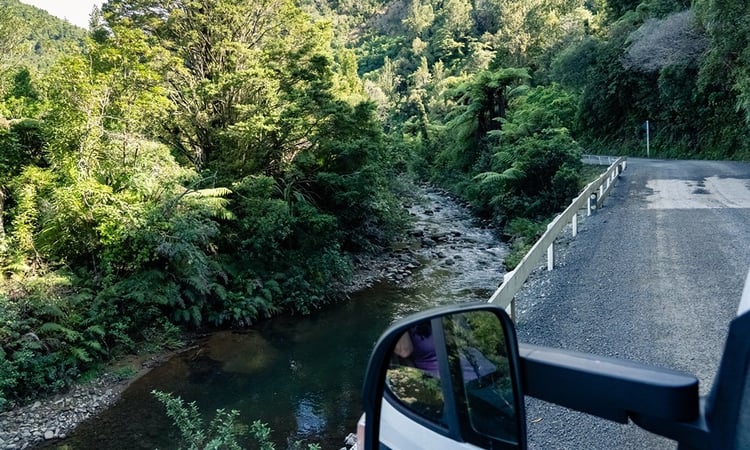
If you’d prefer a more relaxed day, set up camp at one of the several Department of Conservation (DOC) campsites along the road. Take a dip in the river, relax with a cold drink, or check out one of the many shorter walks.
|
The hike up to The Pinnacles is one I’ve done a couple of times now, and it honestly never gets old. It’s one of my favourite hikes in New Zealand. The views from the summit are just incredible — but make sure you go right to the very top. Climb the ladders and grab rails all the way up to the highest rocks and catch either sunrise or sunset. It’s easily one of the best views in the country. Kate van den Bergh, Lead Designer at Wilderness
|
|
Travel tip As you head onto the trails, you’ll notice “shoe scrub” stations at the trailheads – and possibly a line of hikers waiting to clean their shoes. These stations are vital for stopping the spread of Kauri Dieback disease, which is carried in the soil and can be fatal to Coromandel’s Kauri trees. By taking a moment to scrub your boots and spray your soles, you’re playing a direct role in protecting some of the last original Kauri left here. It’s a simple ritual that ensures these 1,000-year-old trees stay standing for the next generation of hikers. |
Things to do in Coromandel Forest Park:
-
Hike the Kauaeranga Kauri Trail, also known as the Pinnacles Walk. This is one of the most popular hikes in New Zealand, and with its sweeping mountainous vistas, it’s well worth the effort!
-
If you’d prefer a slightly shorter trail, go for the Cookson Kauri Walk to see one of these ancient giants.
-
Settle down at one of the DOC campsites dotted along Kauaeranga Valley Road and relax by the Kauaeranga River.
-
Head up the Billy Goat Circuit to the Billy Goat Falls lookout.
Distance: 22km
Travel time: 40mins
Route: Thames to Coromandel Forest Park
Stay: Totara Flat Campsite or Catleys Campsite
Resources: Coromandel Forest Park
|
A bird-spotter’s paradise
As you walk through Coromandel Forest Park, keep an eye out for some of Aotearoa’s iconic birds. You might see the Kererū, our tipsy pigeon that’s known for overindulging on fermented fruit and falling out of trees. You’ll likely be followed around by the cheeky fantail (pīwakawaka), or catch sight of the tūī with its bright feathers and distinctive song. If you’re very lucky, you could even catch a glimpse of our national icon – the North Island brown kiwi. These shy birds are nocturnal, so if you can’t spot any, listen out for their shrill, high-pitched calls piercing the night. |
Day 3: Coromandel Forest Park to Coromandel Town
Where the highway meets the sea
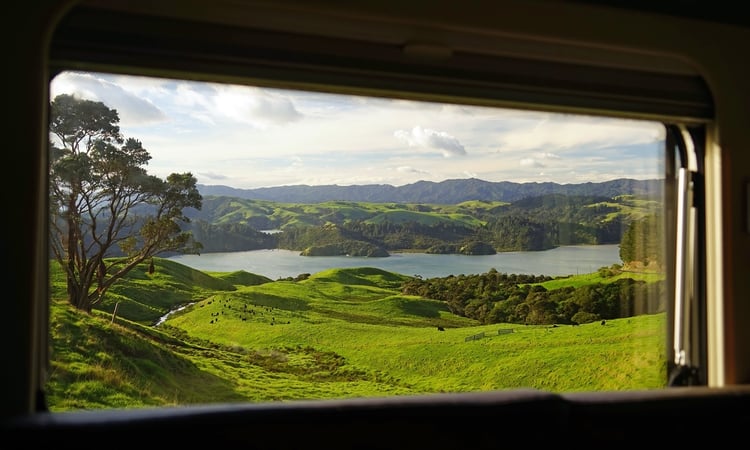
After the wild solitude of the forest, today eases you back into the world gently. You'll wind your way down Kauaeranga Valley Road and emerge onto State Highway 25 – also known as the Pacific Coast Highway. Take your time and enjoy, because this drive is spectacular. You’ll have steep hills covered in dense bush to your right, and the ocean lapping at the sea wall to your left.
Continue down State Highway 25 to Coromandel Town, or turn off on the 309 Road for a stop at The Waterworks.
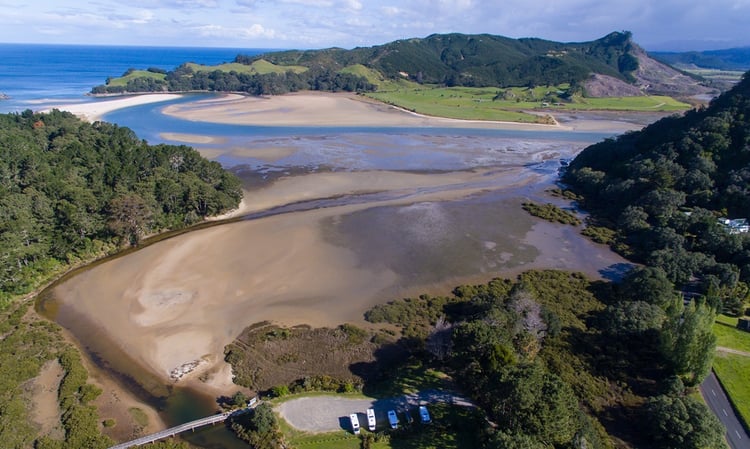
Your journey for the day ends in Coromandel Town, a laid-back coastal village with art galleries, cafés, and charming historical buildings.
|
Travel tip Hop out at the Manaia Road Saddle and Lookout for a break and a photo. On a good day, you’ll get a gorgeous 360-degree view of the peninsula. |
Things to do in Coromandel Town:
-
Check out the water-powered inventions at The Waterworks, a play park and cafe featuring over 70 ingenious attractions. This is a great stop for both adults and kids.
-
Visit the iconic Driving Creek Railway – a winding railroad that takes you high up the hillside for sweeping views of the Hauraki Gulf.
-
If you’re feeling adventurous during your visit to Driving Creek, take the zipline tour. For a more relaxed activity, try out the pottery classes.
-
Take a relaxed stroll along the Kauri Block Walk. This serene trail takes you through regenerating bush, with an optional climb up to an old pā site (a fortified Māori settlement).
Distance: 76km
Travel time: 1hr 40mins
Route: Coromandel Forest Park to Coromandel Town
Stay: Top 10 Holiday Parks – Coromandel Shelly Beach. For freedom camping, there is space for three self-contained vehicles at Woollams Avenue.
Resources: Coromandel Town Information Centre
|
Kiwi ingenuity strikes again
The Driving Creek Railway is one of those ‘only-in-New-Zealand’ stories. A potter named Barry Brickell bought the land in 1961, when it was mostly scrub and gorse.
He wanted clay for his pottery, so he built a rudimentary rail track to get it. Over decades, that track grew into a complex engineering marvel of zig-zags, spirals, and viaducts that climb up the mountain.
But the real story is conservation. Barry used the profits from the railway to replant the entire hillside with native kauri, rimu, and tōtara – transforming what was once bare land into a thriving sanctuary. At the top, the 'Eyefull Tower' rewards you with sweeping panoramic views across the Hauraki Gulf. A legacy worth riding up to see. |
Day 4: Coromandel Town to Whitianga
Where every turn reveals a new beach
Start the day right with breakfast at the Weta Café before hitting the road.
Today, you’ll continue down the Pacific Coast Highway, winding over hills covered in lush native bush. To make the most of the day, we suggest doing some beach-hopping along the way.
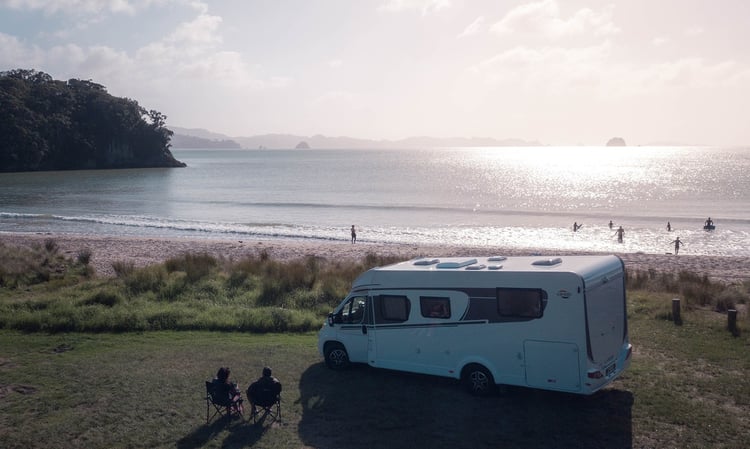
About 13km in, turn off onto Whangapoua Road and make your way to New Chums Beach – consistently ranked one of the most unspoilt beaches in the world. After a 600m walk through a dense forest path and over a rocky shoreline, you’ll come to a breathtaking arc of white sand and turquoise water.
Once you’re back on State Highway 25 heading to Whitianga, we suggest Ōtama Beach as your next side quest. A gorgeous slice of paradise, travellers often have this hidden stretch of coast to themselves.
From Ōtama, it's a short drive on to Whitianga – a laid-back harbour town that makes a perfect base for the next leg of your adventure. Settle in, explore the waterfront, and end the evening at The Lost Spring, a lush geothermal pool hidden away in the heart of town.
|
One of the best things to do in Whitianaga is take the ferry across the harbour. Once there, the Egg-centric cafe is a short walk away, a great stop for lunch before heading down to Cooks Beach.
If you're open to a bit of adventure, Luke's Kitchen in Kūaotunu is only 20 minutes from Whitianga. After stopping for lunch there, attempt the Kūaotunu killer ice cream challenge and then head on to Opito Bay for a stunningly remote beach.
– Ellie Lovegrove, Adventure Support Consultant at Wilderness |
|
Travel tip If you’re heading to New Chum’s Beach, it’s vital to check the tide times before you go. You'll need to cross a tidal stream to reach the beach, and it’s advised not to attempt the crossing 2 hours either side of high tide. You don’t want to get stuck!
Also, remember to pack water, sunscreen, and snacks for the trail. |
Things to do in Whitianga:
-
Take a Glass Bottom Boat tour to Cathedral Cove for a unique view of its diverse and vibrant marine life.
-
Soak in the rising steam and mineral-rich waters at The Lost Spring. Its geothermal pools are open throughout the day, or you can treat yourself and book a spa package.
-
Grab a bite to eat at Stoked Public House – a shanty-style local favourite serving traditional pub fare.
-
Relax on Buffalo Beach or Simpson Beach – both will treat you to gorgeous views of Mercury Bay.
-
Grab your bike and take a trip through Whitianga Bike Park and Gardens. If you’re not a cyclist, there are also some fantastic walking trails to explore.
-
Tee off at Mercury Bay Golf Club. It offers a full 18-hole course (or 9 holes if you're short on time), with club and cart hire available on site.
-
Take the Whitianga Ferry across to Ferry Landing and stroll down to Cook’s Beach – a beautiful stretch of coast where you can spot gannets and terns fishing. For the ultimate bay view, climb up to Shakespeare Cliff Lookout.
Distance: 45km
Travel time: 1hr
Route: Coromandel Town to Whitianga (or take the full beach route)
Stay: For a powered site, book with Harbourside Holiday Park. There are four freedom camping sites available at Monk Street.
Resources: All About Whitianga
|
Whitianga’s event of the year
If you can time your visit for September, don't miss the Whitianga Oceans Festival – one of New Zealand's most iconic food and wine festivals, and a highlight of the Coromandel calendar.
Held right in the heart of Whitianga, it's a full day of fresh coastal flavours, local wines, live Kiwi bands, and high-energy entertainment. Think ocean and farm produce, a buzzing festival atmosphere, and a VIP experience if you want to splash out |
Day 5: Whitianga to Hahei
The sights you’ve dreamed of, made real
Today is the headline act – the day you've seen on the postcards, and it lives up to every photo.
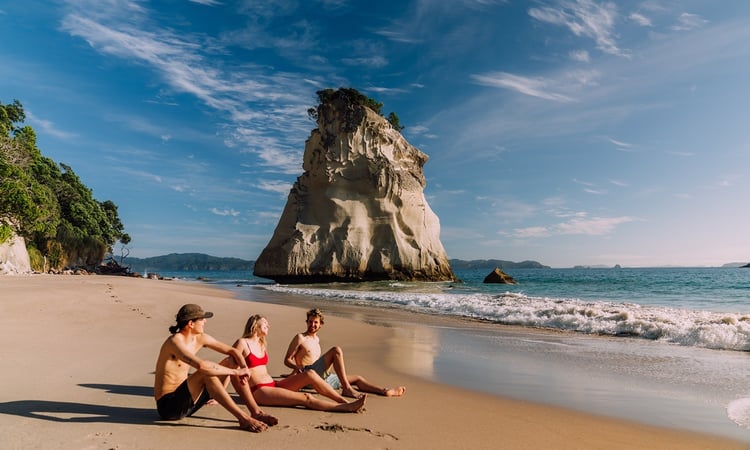
Leave bright and early and make your way out of Whitianga on State Highway 25, turning off onto Hot Water Beach Road towards Hahei. From here, you have plenty of options. Head down to Cathedral Cove – a breathtaking natural arch framing a pristine white beach, tucked between dramatic rock formations and crystal-clear water. It's so stunning that filmmakers have come calling too; most famously, it featured as a location in The Chronicles of Narnia: Prince Caspian.
The best way to experience it is from the water. There are plenty of kayak hire and group tour options in Hahei.
You can also head to the one and only Hot Water Beach – one of New Zealand's quirkiest natural wonders. Dig a hole in the sand at low tide, watch it fill with geothermal water, and soak. It's as wonderfully strange as it sounds.
|
Travel tip If you’re not bound by tour times, head to Hot Water Beach for sunrise or sunset to beat the crowds. They come in droves in the middle of the day, and finding a good spot for yourself can become difficult. Once you’ve soaked your fill, head on down to Cathedral Cove for a day on the water. |
Things to do in Hahei:
-
Take a walk to the iconic Cathedral Cove, a stunning natural archway on a white sand beach. Do some swimming and snorkelling, or just have a leisurely stroll.
-
If you’re comfortable rowing and swimming, grab a kayak from Hahei Kayak Rentals and explore the caves and coastline at your own pace.
-
If you’d prefer to leave the navigation to someone else, Cathedral Cove Kayaks runs guided trips that'll take you to spots you'd never find on your own.
-
Grab a spade and dig your own hot pool at Hot Water Beach. You can sit in 40-degree hot water while the cool Pacific Ocean laps at your feet. It is a quintessential Kiwi experience.
-
Enjoy some local craft beer and delicious food at The Pour House. Sit outside in the beer garden and say hi to Porter and James, the two pub dogs.
-
For amazing wood-fired pizza, head to Woody’s Pizza. Grab a tipple from BarHei next door.
-
Watch the sunset on Hahei Beach. Yes, you really are spoiled for choice with the beaches!
|
Going down to Cathedral Cove for sunset was a stunning experience. This beach is usually packed with travellers, but come sunset, it was empty. I was able to walk through the towering arch and stroll down the beach without another person in sight – truly rare for this patch of sand. Just make sure you’re comfortable going back up the trail in the dark! Ksenia Stepanova, Lead Content Writer at Wilderness |
|
A volcanic marvel
About two kilometres below the surface, two volcanic fissures are releasing heat. These fissures are around 170℃ (338℉), and are remnants of rhyolitic volcanic eruptions from 5–9 million years ago. Their heat warms a reservoir of water, which rises to the surface. For two hours either side of low tide, this hot water bubbles up through the sand on the beach. That’s what makes your natural spa experience possible! |
|
My daughter is not a beach person—the water here in New Zealand is usually way too cold for her! So, Hot Water Beach was an absolute revelation. For the first time ever, she actually loved a beach day. Digging our own sandy, geothermal spa was half the fun and made it feel like a real adventure. We’ve been back a few times now, and we've discovered a cheeky little hack: if you aren't in the mood to play excavator or simply don’t have a spade handy, just show up a bit later and slide into a perfectly warm, pre-dug pool that someone else has left behind! 😉
|
Distance: 35km
Travel time: 40mins
Route: Whitianga to Hahei
Stay: Book a spot at Hahei Beach Resort. There are no freedom camping sites in Hahei.
Resources: Hahei Visitor Information
Day 6: Hahei to Whangamatā
All roads lead to paradise
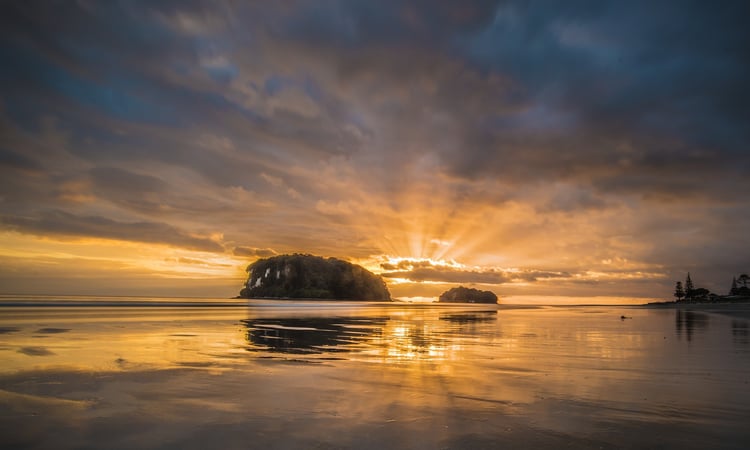
Wave goodbye to the iconic sights of Hahei, and start your drive towards the laid-back beach town of Whangamatā. You’ll be greeted with long stretches of golden sand, great surf, and that easy, sun-soaked holiday atmosphere that New Zealanders have been coming back to for generations.
About halfway into your drive, pull over in Tairua for a break. This little harbour town is another local holiday favourite. If you have the energy, the climb up Mount Paku is well worth it – it's a short but steep hike to the summit, rewarded with sweeping 360-degree views across the coastline and out to the jagged Aldermen Islands.
Down at sea level, the main ocean beach is great for a swim or a wander. There are plenty of cafés in town to grab a coffee and stretch your legs before pushing on to Whangamatā.
|
Travel tip If you surf (or have always wanted to try), Whangamatā is one of the best spots on the Coromandel to get in the water.
The main beach break has multiple peaks and works for all levels, from beginners finding their feet to experienced surfers chasing something more challenging. The real prize though is Whangamatā Bar – widely regarded as one of the best waves in New Zealand. When conditions align, it delivers a long, barrelling left-hander that surfers travel a long way to ride. Check the forecast before you arrive, and you might just get lucky. |
|
The golf courses of Pauanui & Whangamata offer fantastic courses at a competitive price. Perfect for a golf weekend – head to the course for a hit, then head to the beach for some fish & chips and a beer or two. James D’Arcy, Video Content Creator at Wilderness |
Things to do in Whangamatā:
-
Kayak or boat out to Whenuakura Island – also known as Donut Island – just 1km off the coast. You can book a guided tour through SurfSup NZ, or rent a kayak or paddleboard. Just remember – no landing on the island itself, as it’s under the protection of the local iwi.
-
For a calmer time on the water, go wildlife kayaking on the Otahu Estuary – a calm, easy paddle along the river spotting native birds and fish through sheltered bush.
-
Go fishing with one of the several fishing charters available around town. You’ll have a good chance of hooking some Snapper, John Dory, Kahawai, or Gurnard.
-
Relax on Whangamatā Beach – a 4km stretch of peaceful coastline.
-
Check out some local paintings, sculptures, ceramics and more at The Little Gallery. You’ll find the famous animal-headed bronze sculptures from Sydney artists Gillie and Marc here.
-
Grab a coffee and a toastie at BACH, one of Whangamatā’s favourite cafes.
-
Drive ten minutes out of town to reach the Wentworth Falls Walk. This easy 3-hour track follows the Wentworth River and ends in a short climb up for a great view of the falls.
|
A perfect day trip from Whangamata is the local secret, Octopus Bay. Once you reach the carpark there is a short 15-minute walk down to a beach that might just live up to its name if you are lucky! Ellie Lovegrove, Adventure Support Consultant at Wilderness |
|
Take me down to paradise city
Every March, this quiet beach town transforms into something extraordinary. New Zealand's biggest nostalgia festival – Beach Hop – descends on Whangamatā and draws over 80,000 people to a town that normally has a fraction of that population.
Over five days, the streets fill with over 1,200 restored hot rods and classic cars, rock and roll bands, and vintage fashion. What started as a small local rock and roll club birthday in 2001 has grown into one of the most unique events in the country. If your trip happens to land in late March, it's absolutely worth building your itinerary around. |
Distance: 61km
Travel time: 1hr 15mins
Route: Hahei to Whangamatā
Stay: Book a powered site at Whangamatā Motor Camp. You can find freedom camping spots at Beach Road Reserve.
Resources: Discover Whangamatā
Day 7: Whangamatā to Auckland via Karangahake Gorge
Time for one last adventure
The last day of an epic journey is always bittersweet, but this one ends on a high. Rather than retracing your steps back up the coast, you'll head back to Auckland through one of the most dramatic and historic landscapes on the North Island – the Karangahake Gorge.
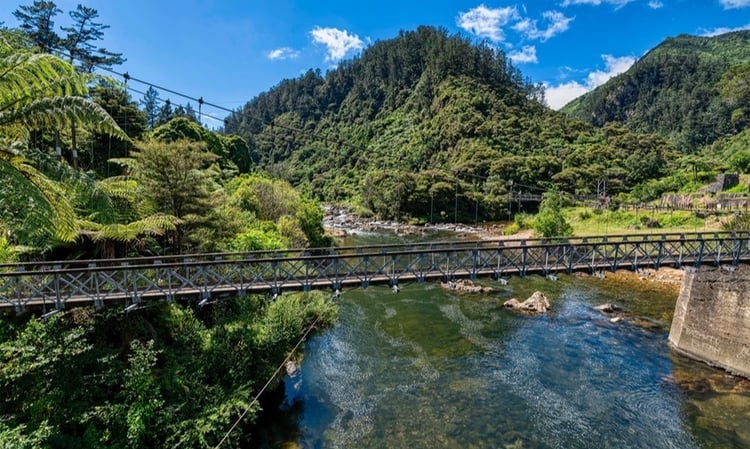
Carved by the Ohinemuri River and flanked by towering bush-covered cliffs, the gorge is jaw-droppingly beautiful and steeped in New Zealand's gold mining history. Pull over at one of the many scenic walks along the way for a moment of quiet. Savour the cool air, the sound of rushing water, and the feeling that the Coromandel is giving you one last send-off.
Then it's back in the car, the Pacific Coast Highway behind you, and Auckland ahead.
|
Travel tip The drive from Whangamatā back to Auckland is popular on Sunday afternoons, and the roads can get very congested – especially through Paeroa and once you hit the Auckland motorway. Leaving early in the morning makes a big difference, and also means you get the gorge at its best before the day heats up. |
Things to do in Karangahake:
-
Walk the Karangahake Gorge Historic Walkway – a mostly flat trail following the old railway line along the Ohinemuri River, passing gold mining relics, swing bridges, and dramatic gorge scenery.
-
Head into the Rail Tunnel Walk Loop – a 3.2km loop that takes you through a 1.1km former railway tunnel. Turn your torch off inside and look up to spot glow worms on the ceiling.
-
Take the Windows Walk for a shorter but dramatic one-hour loop through old mining tunnels, with open "windows" blasted through the rock framing jaw-dropping views down into the gorge below.
-
Stop at Owharoa Falls – a beautiful series of staircase waterfalls just off the main track, and one of the most photographed spots in the gorge.
-
Grab a bite at the Talisman Café, a well-loved local spot serving sandwiches, sweet treats and fresh baking right in the heart of the gorge. The perfect mid-walk refuel.
Distance: 173km
Travel time: 3hrs
Route: Whangamatā to Auckland via Karangahake Gorge
Resources: Karangahake Gorge - DOC
|
Search for nature’s night lights
The old railway tunnel running through the Karangahake Gorge is home to a colony of New Zealand's native glow worms, known in te reo Māori as titiwai, meaning "lights reflected in water."
Despite their name, they're not worms at all, but the larvae of a carnivorous fungus gnat. They produce an ethereal blue-green bioluminescence to lure insects into sticky silk threads – essentially fishing with light.
Switch off your torch inside the tunnel, let your eyes adjust, and look up. Hundreds of tiny glowing dots cover the ceiling like an underground night sky. It's one of those quietly magical moments that catches you completely off guard. |
Predator Free Hauraki Coromandel Community Trust
Stand with us and our local conservation partners
We are proud to support the Predator Free Hauraki Coromandel Community Trust, a collective of over 60 local groups dedicated to restoring the native heart of the Coromandel Peninsula. Their incredible work covers a massive 286,000 hectares, creating a safe haven for New Zealand's unique wildlife by removing invasive predators. Every donation helps provide the tools and support these volunteers need to keep the Hauraki Coromandel wild and vibrant.
Stand with us and our local conservation partners. Make a donation to the Predator Free Hauraki Coromandel Community Trust today.
-
Day 1: Auckland to Thames
Leave the city lights behind
Swap out Auckland’s skyline for the open road as you head south on State Highway 1. Once you’ve passed Bombay Hills, follow signs going east towards the Coromandel Peninsula.
Alternatively, take the Seabird Coast route. Head south-east out of Auckland towards Clevedon and Maraetai. This road hugs the Hauraki Gulf and takes you past the Miranda Shorebird Centre. If you have an extra hour to spare, we highly recommend travelling this way. You’ll see some beautiful coastal views and have a chance to spot unique shorebirds – much more interesting than spending hours on a motorway.
As you drive on, Auckland’s motorways will give way to winding roads and the classic rolling farmland of the Waikato region.
By the time you reach Thames, Auckland’s big-city energy will be well and truly replaced with a sleepy, historic town charm. It wasn’t always like this, though – when gold was discovered here in the late 1800s, its population was bigger than Auckland!
Travel tip
If you’re picking up your motorhome later in the day, be prepared for the infamous Auckland traffic jam. Traffic starts piling up at around 3 pm and gets steadily worse throughout the afternoon. If you’re travelling during the rush, allow plenty of extra time to reach your destination.
Things to do in Thames:
-
Explore a real historical gold mine at Thames Goldmine Experience. Keep your eyes peeled for shimmers – you never know!
-
Wander around the Saturday Thames Market for locally produced food, drink, and handmade goods.
-
Have a stroll down the scenic Thames Coastal Walkway. Stop at the disused Burke Street Wharf, built in the 1870s – it’s a hotspot for sunset photography.
-
Immerse yourself in the lives of Thames’s earliest residents at Thames Museum Te Whare Taonga o te Kauaeranga. Learn about the town’s settlement by tangata whenua, through to the opening of the first goldfield in 1867.
Distance: 106km
Travel time: 1hr 40mins
Route: Auckland to Thames (alternatively, take an extra hour to drive the coastal road via Maraetai)
Stay: Rhodes Park Reserve Freedom Camping, or book a powered site at Dickson Holiday Park.
Resources: Thames NZ
The barb of Māui’s fish
The Māori name for the Coromandel Peninsula is Te Tara-o-te-Ika-a-Māui – the jagged barb of Māui’s fish.
According to legend, the North Island is a giant fish hauled out of the sea by Māui. Have a look at a map, and you’ll see that the Coromandel Peninsula is shaped like a barb or a jagged fin, jutting out from the back of a great fish that’s being pulled towards the South Island.
-
-
Day 2: Thames to Coromandel Forest Park
Hiking boots at the ready
Today, you’re truly leaving the world behind to venture into the rugged wilderness of Coromandel Forest Park.
Start your day with a coffee and some fresh fish at The Wharf Cafe. Then turn off State Highway 25, heading towards Kauaeranga Valley Road.
Around 13km in, you’ll reach Kahikatea Campsite. Here, the concrete road disappears, and you’ll be driving over unsealed gravel for about 9km until the road ends. Your Wilderness motorhome is allowed to drive on gravel (other rental companies may not allow this – always check your rental contract), but take it slow and drive carefully!
Once you reach the road's end, strap on your boots, grab your hiking poles, and head up to the Pinnacles summit. This steep climb draws hikers from all over the world, and it’s easy to see why – the views of the jagged rhyolite volcanic peaks from the top are breathtaking.
If you’d prefer a more relaxed day, set up camp at one of the several Department of Conservation (DOC) campsites along the road. Take a dip in the river, relax with a cold drink, or check out one of the many shorter walks.

The hike up to The Pinnacles is one I’ve done a couple of times now, and it honestly never gets old. It’s one of my favourite hikes in New Zealand. The views from the summit are just incredible — but make sure you go right to the very top. Climb the ladders and grab rails all the way up to the highest rocks and catch either sunrise or sunset. It’s easily one of the best views in the country.
Kate van den Bergh, Lead Designer at Wilderness
Travel tip
As you head onto the trails, you’ll notice “shoe scrub” stations at the trailheads – and possibly a line of hikers waiting to clean their shoes.
These stations are vital for stopping the spread of Kauri Dieback disease, which is carried in the soil and can be fatal to Coromandel’s Kauri trees. By taking a moment to scrub your boots and spray your soles, you’re playing a direct role in protecting some of the last original Kauri left here. It’s a simple ritual that ensures these 1,000-year-old trees stay standing for the next generation of hikers.
Things to do in Coromandel Forest Park:
-
Hike the Kauaeranga Kauri Trail, also known as the Pinnacles Walk. This is one of the most popular hikes in New Zealand, and with its sweeping mountainous vistas, it’s well worth the effort!
-
If you’d prefer a slightly shorter trail, go for the Cookson Kauri Walk to see one of these ancient giants.
-
Settle down at one of the DOC campsites dotted along Kauaeranga Valley Road and relax by the Kauaeranga River.
-
Head up the Billy Goat Circuit to the Billy Goat Falls lookout.
Distance: 22km
Travel time: 40mins
Route: Thames to Coromandel Forest Park
Stay: Totara Flat Campsite or Catleys Campsite
Resources: Coromandel Forest Park
A bird-spotter’s paradise
As you walk through Coromandel Forest Park, keep an eye out for some of Aotearoa’s iconic birds.
You might see the Kererū, our tipsy pigeon that’s known for overindulging on fermented fruit and falling out of trees. You’ll likely be followed around by the cheeky fantail (pīwakawaka), or catch sight of the tūī with its bright feathers and distinctive song.
If you’re very lucky, you could even catch a glimpse of our national icon – the North Island brown kiwi. These shy birds are nocturnal, so if you can’t spot any, listen out for their shrill, high-pitched calls piercing the night.
-
-
Day 3: Coromandel Forest Park to Coromandel Town
Where the highway meets the sea
After the wild solitude of the forest, today eases you back into the world gently. You'll wind your way down Kauaeranga Valley Road and emerge onto State Highway 25 – also known as the Pacific Coast Highway. Take your time and enjoy, because this drive is spectacular. You’ll have steep hills covered in dense bush to your right, and the ocean lapping at the sea wall to your left.
Continue down State Highway 25 to Coromandel Town, or turn off on the 309 Road for a stop at The Waterworks.
Your journey for the day ends in Coromandel Town, a laid-back coastal village with art galleries, cafés, and charming historical buildings.
Travel tip
Hop out at the Manaia Road Saddle and Lookout for a break and a photo. On a good day, you’ll get a gorgeous 360-degree view of the peninsula.
Things to do in Coromandel Town:
-
Check out the water-powered inventions at The Waterworks, a play park and cafe featuring over 70 ingenious attractions. This is a great stop for both adults and kids.
-
Visit the iconic Driving Creek Railway – a winding railroad that takes you high up the hillside for sweeping views of the Hauraki Gulf.
-
If you’re feeling adventurous during your visit to Driving Creek, take the zipline tour. For a more relaxed activity, try out the pottery classes.
-
Take a relaxed stroll along the Kauri Block Walk. This serene trail takes you through regenerating bush, with an optional climb up to an old pā site (a fortified Māori settlement).
Distance: 76km
Travel time: 1hr 40mins
Route: Coromandel Forest Park to Coromandel Town
Stay: Top 10 Holiday Parks – Coromandel Shelly Beach. For freedom camping, there is space for three self-contained vehicles at Woollams Avenue.
Resources: Coromandel Town Information Centre
Kiwi ingenuity strikes again
The Driving Creek Railway is one of those ‘only-in-New-Zealand’ stories. A potter named Barry Brickell bought the land in 1961, when it was mostly scrub and gorse.
He wanted clay for his pottery, so he built a rudimentary rail track to get it. Over decades, that track grew into a complex engineering marvel of zig-zags, spirals, and viaducts that climb up the mountain.
But the real story is conservation. Barry used the profits from the railway to replant the entire hillside with native kauri, rimu, and tōtara – transforming what was once bare land into a thriving sanctuary. At the top, the 'Eyefull Tower' rewards you with sweeping panoramic views across the Hauraki Gulf. A legacy worth riding up to see.
-
-
Day 4: Coromandel Town to Whitianga
Where every turn reveals a new beach
Start the day right with breakfast at the Weta Café before hitting the road.
Today, you’ll continue down the Pacific Coast Highway, winding over hills covered in lush native bush. To make the most of the day, we suggest doing some beach-hopping along the way.
About 13km in, turn off onto Whangapoua Road and make your way to New Chums Beach – consistently ranked one of the most unspoilt beaches in the world. After a 600m walk through a dense forest path and over a rocky shoreline, you’ll come to a breathtaking arc of white sand and turquoise water.
Once you’re back on State Highway 25 heading to Whitianga, we suggest Ōtama Beach as your next side quest. A gorgeous slice of paradise, travellers often have this hidden stretch of coast to themselves.
From Ōtama, it's a short drive on to Whitianga – a laid-back harbour town that makes a perfect base for the next leg of your adventure. Settle in, explore the waterfront, and end the evening at The Lost Spring, a lush geothermal pool hidden away in the heart of town.
One of the best things to do in Whitianaga is take the ferry across the harbour. Once there, the Egg-centric cafe is a short walk away, a great stop for lunch before heading down to Cooks Beach.
If you're open to a bit of adventure, Luke's Kitchen in Kūaotunu is only 20 minutes from Whitianga. After stopping for lunch there, attempt the Kūaotunu killer ice cream challenge and then head on to Opito Bay for a stunningly remote beach.
– Ellie Lovegrove, Adventure Support Consultant at Wilderness
Travel tip
If you’re heading to New Chum’s Beach, it’s vital to check the tide times before you go. You'll need to cross a tidal stream to reach the beach, and it’s advised not to attempt the crossing 2 hours either side of high tide. You don’t want to get stuck!
Also, remember to pack water, sunscreen, and snacks for the trail.
Things to do in Whitianga:
-
Take a Glass Bottom Boat tour to Cathedral Cove for a unique view of its diverse and vibrant marine life.
-
Soak in the rising steam and mineral-rich waters at The Lost Spring. Its geothermal pools are open throughout the day, or you can treat yourself and book a spa package.
-
Grab a bite to eat at Stoked Public House – a shanty-style local favourite serving traditional pub fare.
-
Relax on Buffalo Beach or Simpson Beach – both will treat you to gorgeous views of Mercury Bay.
-
Grab your bike and take a trip through Whitianga Bike Park and Gardens. If you’re not a cyclist, there are also some fantastic walking trails to explore.
-
Tee off at Mercury Bay Golf Club. It offers a full 18-hole course (or 9 holes if you're short on time), with club and cart hire available on site.
-
Take the Whitianga Ferry across to Ferry Landing and stroll down to Cook’s Beach – a beautiful stretch of coast where you can spot gannets and terns fishing. For the ultimate bay view, climb up to Shakespeare Cliff Lookout.
Distance: 45km
Travel time: 1hr
Route: Coromandel Town to Whitianga (or take the full beach route)
Stay: For a powered site, book with Harbourside Holiday Park. There are four freedom camping sites available at Monk Street.
Resources: All About Whitianga
Whitianga’s event of the year
If you can time your visit for September, don't miss the Whitianga Oceans Festival – one of New Zealand's most iconic food and wine festivals, and a highlight of the Coromandel calendar.
Held right in the heart of Whitianga, it's a full day of fresh coastal flavours, local wines, live Kiwi bands, and high-energy entertainment. Think ocean and farm produce, a buzzing festival atmosphere, and a VIP experience if you want to splash out
-
-
Day 5: Whitianga to Hahei
The sights you’ve dreamed of, made real
Today is the headline act – the day you've seen on the postcards, and it lives up to every photo.
Leave bright and early and make your way out of Whitianga on State Highway 25, turning off onto Hot Water Beach Road towards Hahei. From here, you have plenty of options. Head down to Cathedral Cove – a breathtaking natural arch framing a pristine white beach, tucked between dramatic rock formations and crystal-clear water. It's so stunning that filmmakers have come calling too; most famously, it featured as a location in The Chronicles of Narnia: Prince Caspian.
The best way to experience it is from the water. There are plenty of kayak hire and group tour options in Hahei.
You can also head to the one and only Hot Water Beach – one of New Zealand's quirkiest natural wonders. Dig a hole in the sand at low tide, watch it fill with geothermal water, and soak. It's as wonderfully strange as it sounds.
Travel tip
If you’re not bound by tour times, head to Hot Water Beach for sunrise or sunset to beat the crowds. They come in droves in the middle of the day, and finding a good spot for yourself can become difficult.
Once you’ve soaked your fill, head on down to Cathedral Cove for a day on the water.
Things to do in Hahei:
-
Take a walk to the iconic Cathedral Cove, a stunning natural archway on a white sand beach. Do some swimming and snorkelling, or just have a leisurely stroll.
-
If you’re comfortable rowing and swimming, grab a kayak from Hahei Kayak Rentals and explore the caves and coastline at your own pace.
-
If you’d prefer to leave the navigation to someone else, Cathedral Cove Kayaks runs guided trips that'll take you to spots you'd never find on your own.
-
Grab a spade and dig your own hot pool at Hot Water Beach. You can sit in 40-degree hot water while the cool Pacific Ocean laps at your feet. It is a quintessential Kiwi experience.
-
Enjoy some local craft beer and delicious food at The Pour House. Sit outside in the beer garden and say hi to Porter and James, the two pub dogs.
-
For amazing wood-fired pizza, head to Woody’s Pizza. Grab a tipple from BarHei next door.
-
Watch the sunset on Hahei Beach. Yes, you really are spoiled for choice with the beaches!
Going down to Cathedral Cove for sunset was a stunning experience. This beach is usually packed with travellers, but come sunset, it was empty. I was able to walk through the towering arch and stroll down the beach without another person in sight – truly rare for this patch of sand. Just make sure you’re comfortable going back up the trail in the dark!
Ksenia Stepanova, Lead Content Writer at Wilderness
A volcanic marvel
Hot Water Beach is a natural wonder, and it’s all thanks to the volcanic activity happening underground.About two kilometres below the surface, two volcanic fissures are releasing heat. These fissures are around 170℃ (338℉), and are remnants of rhyolitic volcanic eruptions from 5–9 million years ago. Their heat warms a reservoir of water, which rises to the surface.
For two hours either side of low tide, this hot water bubbles up through the sand on the beach. That’s what makes your natural spa experience possible!
My daughter is not a beach person—the water here in New Zealand is usually way too cold for her! So, Hot Water Beach was an absolute revelation. For the first time ever, she actually loved a beach day. Digging our own sandy, geothermal spa was half the fun and made it feel like a real adventure. We’ve been back a few times now, and we've discovered a cheeky little hack: if you aren't in the mood to play excavator or simply don’t have a spade handy, just show up a bit later and slide into a perfectly warm, pre-dug pool that someone else has left behind! 😉
Renata Jantos - Marketing Team Leader at Wilderness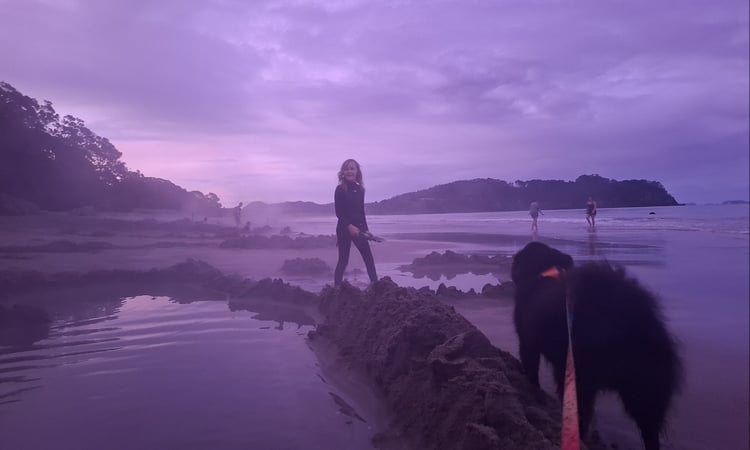
Distance: 35km
Travel time: 40mins
Route: Whitianga to Hahei
Stay: Book a spot at Hahei Beach Resort. There are no freedom camping sites in Hahei.
Resources: Hahei Visitor Information
-
-
Day 6: Hahei to Whangamatā
All roads lead to paradise
Wave goodbye to the iconic sights of Hahei, and start your drive towards the laid-back beach town of Whangamatā. You’ll be greeted with long stretches of golden sand, great surf, and that easy, sun-soaked holiday atmosphere that New Zealanders have been coming back to for generations.
About halfway into your drive, pull over in Tairua for a break. This little harbour town is another local holiday favourite. If you have the energy, the climb up Mount Paku is well worth it – it's a short but steep hike to the summit, rewarded with sweeping 360-degree views across the coastline and out to the jagged Aldermen Islands.
Down at sea level, the main ocean beach is great for a swim or a wander. There are plenty of cafés in town to grab a coffee and stretch your legs before pushing on to Whangamatā.
Travel tip
If you surf (or have always wanted to try), Whangamatā is one of the best spots on the Coromandel to get in the water.
The main beach break has multiple peaks and works for all levels, from beginners finding their feet to experienced surfers chasing something more challenging. The real prize though is Whangamatā Bar – widely regarded as one of the best waves in New Zealand. When conditions align, it delivers a long, barrelling left-hander that surfers travel a long way to ride. Check the forecast before you arrive, and you might just get lucky.
The golf courses of Pauanui & Whangamata offer fantastic courses at a competitive price. Perfect for a golf weekend – head to the course for a hit, then head to the beach for some fish & chips and a beer or two.
James D’Arcy, Video Content Creator at Wilderness
Things to do in Whangamatā:
-
Kayak or boat out to Whenuakura Island – also known as Donut Island – just 1km off the coast. You can book a guided tour through SurfSup NZ, or rent a kayak or paddleboard. Just remember – no landing on the island itself, as it’s under the protection of the local iwi.
-
For a calmer time on the water, go wildlife kayaking on the Otahu Estuary – a calm, easy paddle along the river spotting native birds and fish through sheltered bush.
-
Go fishing with one of the several fishing charters available around town. You’ll have a good chance of hooking some Snapper, John Dory, Kahawai, or Gurnard.
-
Relax on Whangamatā Beach – a 4km stretch of peaceful coastline.
-
Check out some local paintings, sculptures, ceramics and more at The Little Gallery. You’ll find the famous animal-headed bronze sculptures from Sydney artists Gillie and Marc here.
-
Grab a coffee and a toastie at BACH, one of Whangamatā’s favourite cafes.
-
Drive ten minutes out of town to reach the Wentworth Falls Walk. This easy 3-hour track follows the Wentworth River and ends in a short climb up for a great view of the falls.
A perfect day trip from Whangamata is the local secret, Octopus Bay. Once you reach the carpark there is a short 15-minute walk down to a beach that might just live up to its name if you are lucky!
Ellie Lovegrove, Adventure Support Consultant at Wilderness
Take me down to paradise city
Every March, this quiet beach town transforms into something extraordinary. New Zealand's biggest nostalgia festival – Beach Hop – descends on Whangamatā and draws over 80,000 people to a town that normally has a fraction of that population.
Over five days, the streets fill with over 1,200 restored hot rods and classic cars, rock and roll bands, and vintage fashion. What started as a small local rock and roll club birthday in 2001 has grown into one of the most unique events in the country. If your trip happens to land in late March, it's absolutely worth building your itinerary around.
Distance: 61km
Travel time: 1hr 15mins
Route: Hahei to Whangamatā
Stay: Book a powered site at Whangamatā Motor Camp. You can find freedom camping spots at Beach Road Reserve.
Resources: Discover Whangamatā
-
-
Day 7: Whangamatā to Auckland via Karangahake Gorge
Time for one last adventure
The last day of an epic journey is always bittersweet, but this one ends on a high. Rather than retracing your steps back up the coast, you'll head back to Auckland through one of the most dramatic and historic landscapes on the North Island – the Karangahake Gorge.
Carved by the Ohinemuri River and flanked by towering bush-covered cliffs, the gorge is jaw-droppingly beautiful and steeped in New Zealand's gold mining history. Pull over at one of the many scenic walks along the way for a moment of quiet. Savour the cool air, the sound of rushing water, and the feeling that the Coromandel is giving you one last send-off.
Then it's back in the car, the Pacific Coast Highway behind you, and Auckland ahead.
Travel tip
The drive from Whangamatā back to Auckland is popular on Sunday afternoons, and the roads can get very congested – especially through Paeroa and once you hit the Auckland motorway. Leaving early in the morning makes a big difference, and also means you get the gorge at its best before the day heats up.
Things to do in Karangahake:
-
Walk the Karangahake Gorge Historic Walkway – a mostly flat trail following the old railway line along the Ohinemuri River, passing gold mining relics, swing bridges, and dramatic gorge scenery.
-
Head into the Rail Tunnel Walk Loop – a 3.2km loop that takes you through a 1.1km former railway tunnel. Turn your torch off inside and look up to spot glow worms on the ceiling.
-
Take the Windows Walk for a shorter but dramatic one-hour loop through old mining tunnels, with open "windows" blasted through the rock framing jaw-dropping views down into the gorge below.
-
Stop at Owharoa Falls – a beautiful series of staircase waterfalls just off the main track, and one of the most photographed spots in the gorge.
-
Grab a bite at the Talisman Café, a well-loved local spot serving sandwiches, sweet treats and fresh baking right in the heart of the gorge. The perfect mid-walk refuel.
Distance: 173km
Travel time: 3hrs
Route: Whangamatā to Auckland via Karangahake Gorge
Resources: Karangahake Gorge - DOC
Search for nature’s night lights
The old railway tunnel running through the Karangahake Gorge is home to a colony of New Zealand's native glow worms, known in te reo Māori as titiwai, meaning "lights reflected in water."
Despite their name, they're not worms at all, but the larvae of a carnivorous fungus gnat. They produce an ethereal blue-green bioluminescence to lure insects into sticky silk threads – essentially fishing with light.
Switch off your torch inside the tunnel, let your eyes adjust, and look up. Hundreds of tiny glowing dots cover the ceiling like an underground night sky. It's one of those quietly magical moments that catches you completely off guard.
-
-
Predator Free Hauraki Coromandel Community Trust
Stand with us and our local conservation partners
We are proud to support the Predator Free Hauraki Coromandel Community Trust, a collective of over 60 local groups dedicated to restoring the native heart of the Coromandel Peninsula. Their incredible work covers a massive 286,000 hectares, creating a safe haven for New Zealand's unique wildlife by removing invasive predators. Every donation helps provide the tools and support these volunteers need to keep the Hauraki Coromandel wild and vibrant.
Stand with us and our local conservation partners. Make a donation to the Predator Free Hauraki Coromandel Community Trust today.