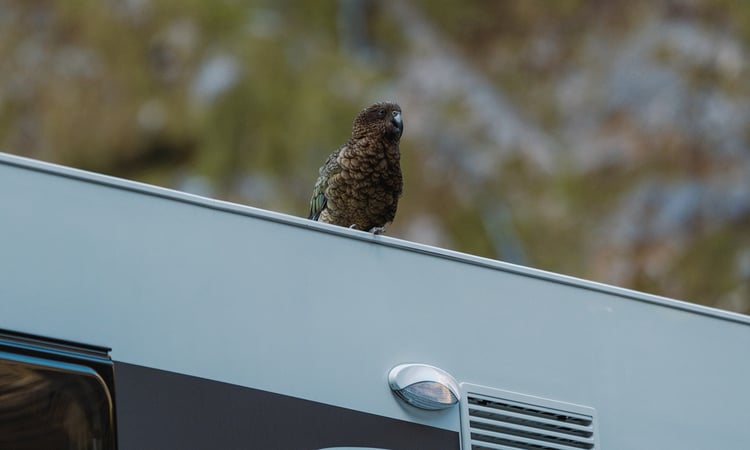
Every year, New Zealand hosts a wholesome little competition: the nation votes for its favourite native bird.
You might think it’s a niche bit of fun for bird-lovers that struggles to make a headline. In reality, the Bird of the Year vote is one of New Zealand’s most heated contests, and it’s even gotten international press.
The contest began when conservation group Forest & Bird wanted a lighthearted way to raise awareness of New Zealand’s native birds, some critically endangered, so in 2005 they invited the public to vote for their favourite in a poll. The idea quickly took off, and Bird of the Year was born.
Then things got competitive
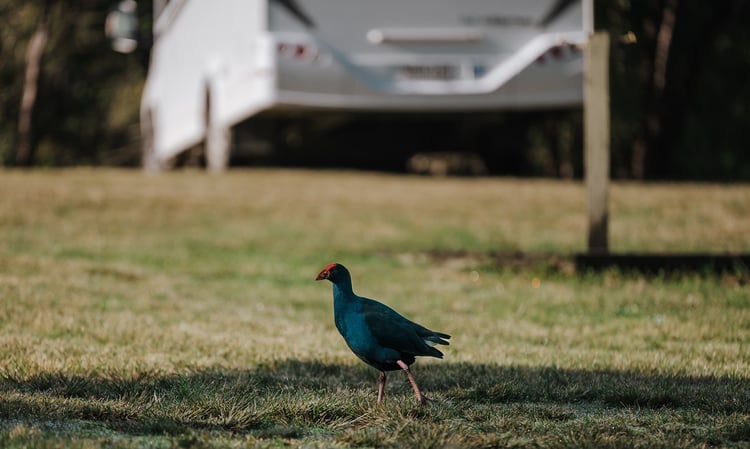
For a while, it really was just a bit of fun. Then people started to care, perhaps a little too much.
The first sign of trouble came in 2015, when two 15-year-old girls confessed to rigging the vote for the kōkako using a batch of fake email accounts. Rather than call the authorities, Forest & Bird invited the pair to do some volunteer work as penance. Associate Conservation Minister Nicky Wagner wasn’t impressed either.
“I'm really concerned that someone or something has gone to a whole lot of trouble to undermine the obvious first choice, the wrybill,” Wagner told RNZ.
In 2020, the little spotted kiwi surged to the top of the leaderboard overnight, boosted by more than 1,500 fraudulent votes all sent from a single email address. Organisers caught it, scrubbed the votes, and the kiwi's brief reign was over.
In 2022, there was an outcry when the kākāpo was banned from the contest. The charismatic flightless parrot had already won twice, so Forest & Bird wanted to give some lesser-known “underbirds” a fighting chance - but the decision didn’t go down well, and “the kākāpo was robbed” became a rallying cry on social media.
Lord of the Wings
The contest's most chaotic moment came in 2023, when British-American comedian John Oliver noticed a loophole: you don’t have to be a New Zealander to vote. You just need a valid email address.
So he went to war. Oliver launched what he called an "alarmingly aggressive" campaign for the pūteketeke, a scruffy, feather-eating bird known for its funky water dance to attract a mate. He dressed as one on national television, and plastered billboards for it everywhere from Tokyo to Mumbai to Wisconsin.
The stunt worked spectacularly. A record 350,000 votes poured in from 195 countries, crashing Forest & Bird's servers and delaying the result by two days. The pūteketeke won by a landslide – 290,374 votes to the runner-up kiwi's mere 12,904.
A bird-loving nation
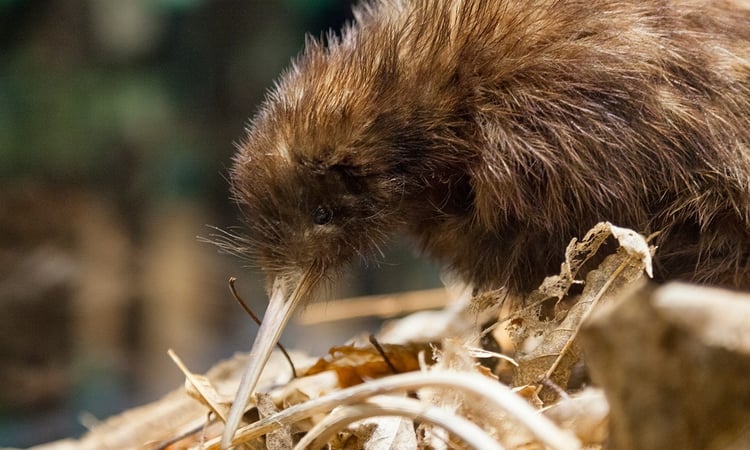
All of this is good fun, but it’s part of something real: New Zealanders love their native birds. The country has no native land mammals (except some bat species, one of which controversially won Bird of the Year in 2021). They’re passionate about protecting them, and will defend their favourites vigorously.
At Widerness, we are proud supporters of the Predator Free Hauraki Coromandel Community Trust, a collective of over 60 local groups dedicated to restoring the native heart of the Coromandel Peninsula. Their incredible work covers a massive 286,000 hectares, creating a safe haven for New Zealand's unique birdlife by removing invasive predators. Every donation helps provide the tools and support these volunteers need to keep the Hauraki Coromandel wild and vibrant.