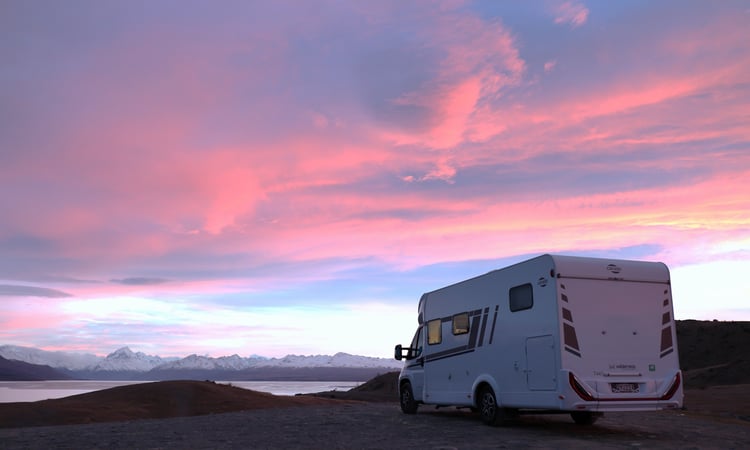
If you’re planning your dream motorhome road trip in New Zealand, you’ve likely come across the mention of motorhome rental insurance and liability reduction options.
In New Zealand, comprehensive insurance is legally required and automatically included in your daily rental rate, meaning you are covered from the moment you step into your motorhome.
However, this base cover comes with a standard excess (or deductible) of up to $7,500 NZD, meaning you are financially responsible for damage up to that amount unless you choose a liability reduction option.
Do I need campervan rental insurance for my motorhome road trip?
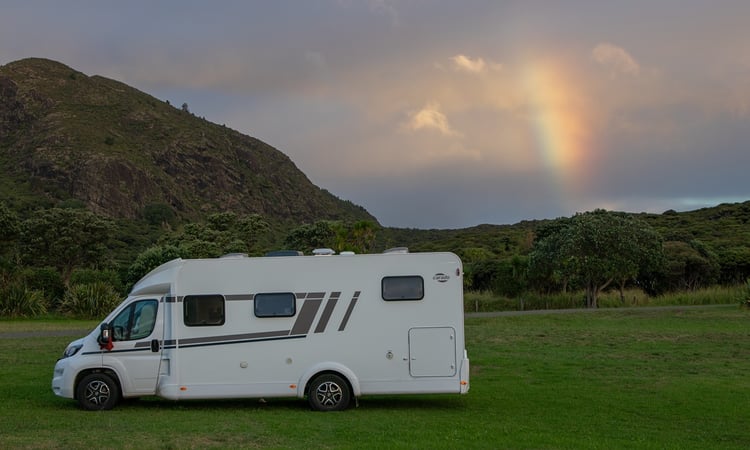
You don’t need to buy additional insurance to cover your motorhome rental, as it's already included in the base rental rate. Motorhome insurance works much like rental car insurance, where the daily rental rate includes comprehensive cover. This means that you’re insured from the moment you set foot in your rental motorhome. As with any insurance, this comes with an excess or deductible.
However, since you will be liable for any damage to the motorhome up to the excess amount, you may want to consider purchasing a liability reduction option or excess waiver. This will prevent you from getting stung with a big bill at the end of your holiday if the motorhome is stolen or damaged.
Be sure to take into account that vehicle repair costs have been increasing over the last few years. If there is damage to the motorhome, the repair bill could be more than you may expect.
How does campervan hire insurance work?
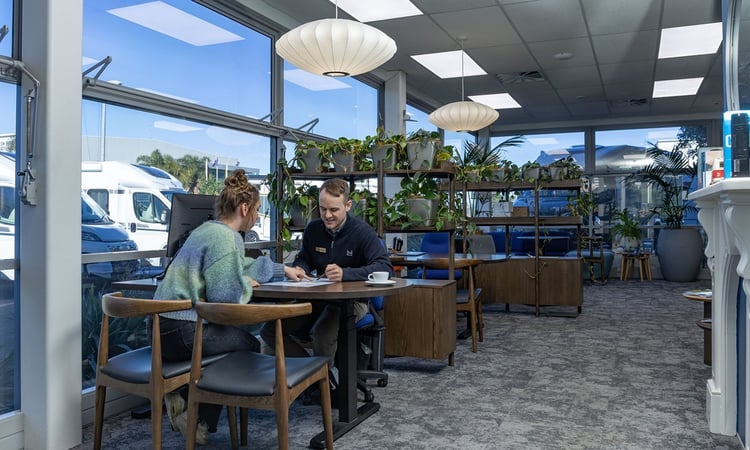
While rental operators are legally required to offer comprehensive insurance in their base rental rate, they pass on some of the risks of the motorhome being stolen or damaged to you, the renter, meaning you are liable for the cost of repair or replacement of the vehicle up to the excess amount.
The cost of buying and repairing motorhomes in New Zealand is high. Replacing a rental motorhome can cost $100,000 NZD or more. Having such an expensive fleet of motorhomes for hire means that rental operators take on more risk than car rental operators. To balance this risk, motorhome rental operators typically charge an insurance excess of between $ 5,000 and $ 7,500 NZD, which is about double what you can expect to pay on a rental car.
Most rental operators offer a liability reduction option to reduce the amount you’re liable for if the motorhome is stolen or damaged. The various liability reduction options cater to the varying degrees of risk that renters are willing to take.
Liability reduction option example from Wilderness Motorhomes
Prices effective April 1st, 2026
|
Name |
Standard Cover |
Extra Cover |
Full Cover |
|
Daily Cost |
$0 |
$64 NZD per day |
$84 NZD per day* |
|
Your Liability |
$7500 NZD |
$500 NZD |
$0 |
|
Overhead & Underbody coverage |
YES |
YES |
YES |
|
SIM card |
YES |
YES |
YES |
|
Bonus Inclusions |
None |
None |
Free LPG refill, Road User Charges, toll road fees, child seat, outdoor table & chairs, barbeque, and snow chains |
*Capped at $4200 NZD (50 days plus)
If you choose to accept some or all of the liability by taking a liability reduction option with an excess greater than zero, the rental operator may want to collect a bond from you. This ensures that they have your money if the motorhome is stolen or damaged.
In the unfortunate situation of your rental motorhome being stolen or damaged, you need to notify the rental operator immediately. It doesn’t matter who caused the damage, so don’t admit fault, as this may affect the ability of the rental operator to claim on their insurance. If you haven't taken a liability reduction option that removes the excess you are liable for, the operator will deduct the full excess from your credit card or retain your bond.
You will need to submit information about the incident and the damage to the rental operator so they can determine your liability and make a claim on their insurance. At the end of your hire, the damage to the motorhome will be assessed and the cost of repair determined. If the cost of repair is less than the excess amount, you will be refunded the difference once the repairs have been completed. The refund may take several weeks from the day you return the motorhome.
If you breached the rental agreement, e.g., by driving under the influence of drugs or contaminating the freshwater tanks with diesel, your liability reduction option will be void, and you will need to pay the full excess.
It’s a good idea to make sure you’re familiar with these exclusions before setting out on your trip. The insurance exclusions are set out in the rental operator’s terms and conditions.
What are the 6 most common types of motorhome rental damage and how can you avoid them?
The most common types of damage to a Wilderness Motorhome include parking collisions, wing mirror damage, side panel scrapes, bumper damage, overhead stripes, and single-vehicle rollovers.
Parking is the most common cause of motorhome damage, especially reversing while parking and cornering in tight spaces. In fact, fleet data shows that over half of all recorded damage (50%+) occurs while parking or manoeuvring in tight spaces, while moving collisions account for another 23%. This is because most renters haven’t had any practice manoeuvring a large vehicle in small spaces before taking out their new motorhome.
Overall, the rear section of the vehicle is the most vulnerable: the rear bumper, rear bottom corners, and rear top corners combined account for nearly half of all damage, with rear bumper damage alone making up 38% of incidents.
Your rental may have a reversing camera, but it may not be as useful as the one that you have in your car. The visibility angles of the camera may be less, and the screen may be smaller, making it harder to view. Most motorhomes don’t have parking sensors on the bumpers.
Taking a corner too tightly is also a common way renters damage their motorhome. Most motorhomes are considerably longer than the car you may be used to driving, so a larger angle is required when taking a corner. Panel damage is likely if you accidentally cut the corner.
Common Damage Types & How to Prevent Them
-
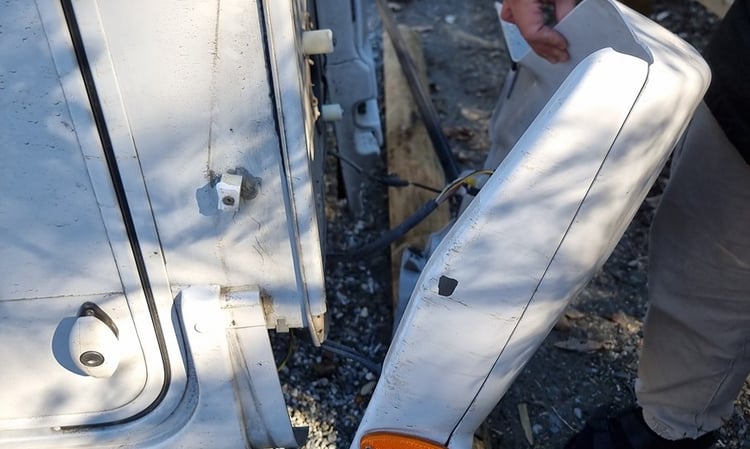
Wing mirror damage
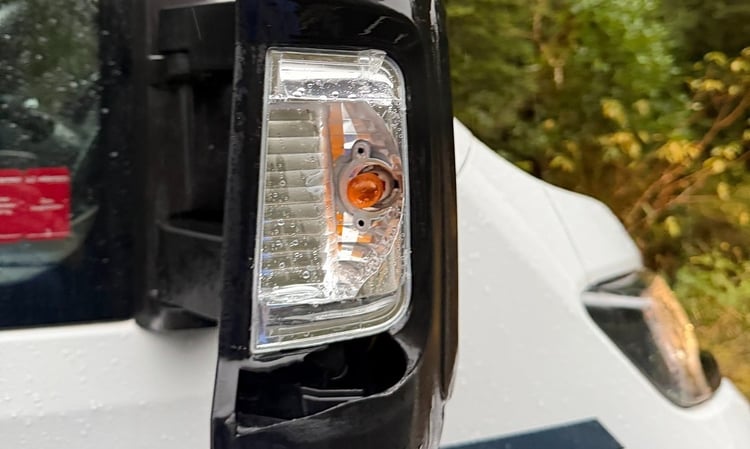
Fold the wing mirrors in when parking close to other cars. You can expect to pay $1000 NZD or more for a replacement wing mirror on a premium motorhome. -
Side panel damage
.jpeg?width=750&height=450&name=Accident-6%20(2).jpeg)
Keep a safe distance from trees, hedges, and other structures. If you hear the motorhome scraping something, STOP! The cost of panel damage repair varies depending on the area damaged and the panel material. -
Bumper damage
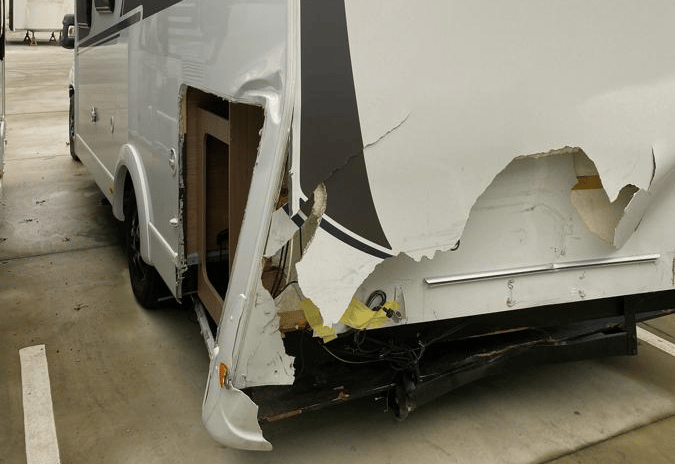
Make sure your passenger guides you away from low structures such as a bollard, rubbish bin or a car when reversing or parking. The cost to replace a bumper in a premium motorhome can be $2000 NZD or more. -
Overhead damage
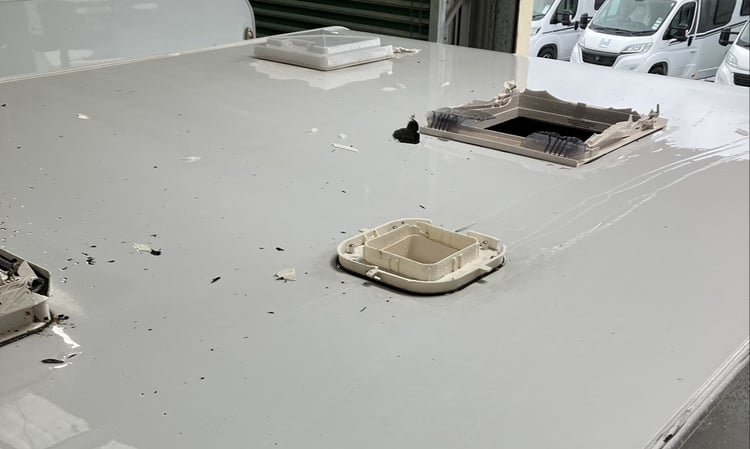
Motorhome bodies are higher than the vehicles most renters are used to driving, so the over-cab or top front section of a motorhome is prone to damage from low-hanging structures like a parking garage or tree branch. Make sure you know the height of your motorhome and look for signs on structures showing height restrictions. -
Single vehicle rollover
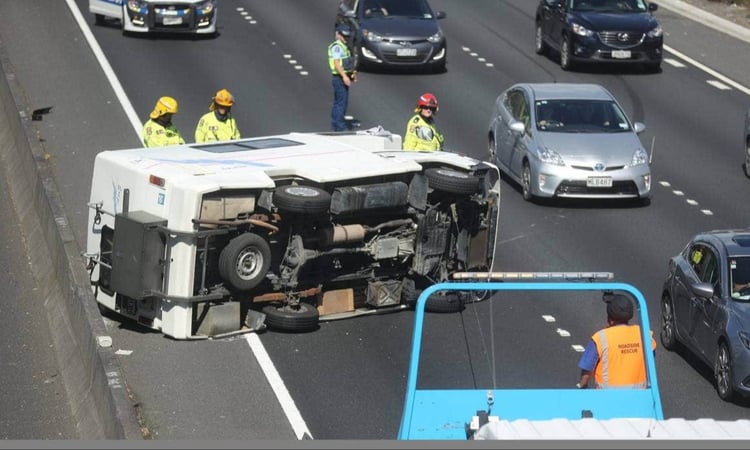
This means the campervan or motorhome is in an accident causing it to roll over and no other vehicles are involved. Many high-top campervans and motorhomes have high sides so are prone to being tipped over in high winds. If you are driving in high wind conditions, pull over in a safe place and wait until the wind dies down. If you are in a single vehicle rollover, you will be charged for the recovery as well as repairs to the motorhome, which will usually be in tens of thousands, so the full excess will usually apply. -
Fuel or water tank contamination
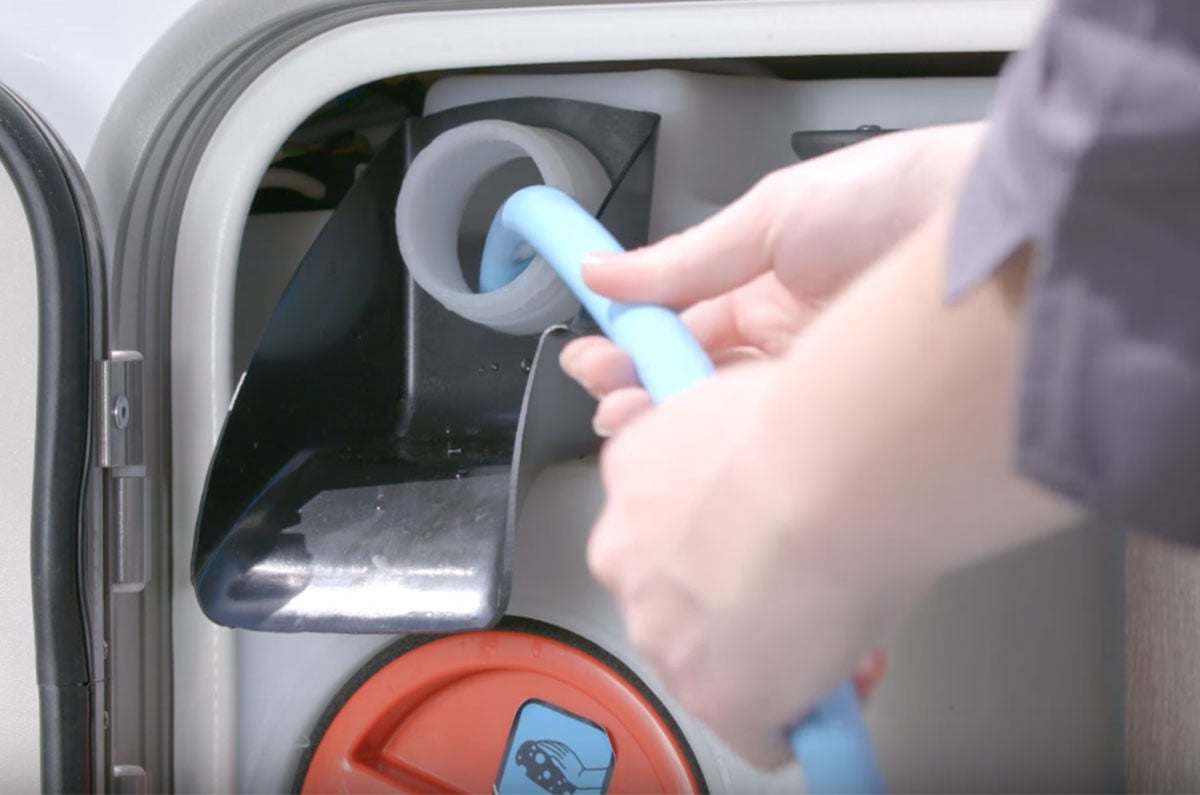
Accidentally putting the wrong fuel into the motorhome or putting fuel into the water tank will cause the fuel and water tanks and all the related pipework to be contaminated. In the worst case, the tank and pipework will need to be removed and replaced, which will cost more than $10,000 NZD.
Discover more about the most common types of damage to motorhomes.
How much does motorhome insurance cost?

Comprehensive insurance is already included in the daily rental rate for your Wilderness Motorhome, so you don’t need to pay anything extra for the base cover. However, if you choose a liability reduction option, you will need to pay more.
The cost of liability reduction options varies depending on the rental operator and the amount of risk you’re willing to take. If you want to eliminate the risk of having to pay the excess, you can expect to pay between $50 and $85+ NZD* per day. If you’re happy to take some of the risk and reduce the amount of excess rather than eliminate it, the liability reduction option will cost you less.
*Most motorhome rental operators will cap the amount you need to pay for the liability reduction option at around 50 days.
How much is the insurance excess or deductible when you rent a motorhome in New Zealand?
If you choose not to take any liability reduction option, your excess will typically be between $4000 NZD for a budget campervan and $8000 NZD for a premium motorhome
If your rental campervan or motorhome is damaged or stolen and you haven’t taken a zero excess option, you will need to pay the excess, even if you were not responsible for the damage.
This amount will be deducted from your credit card either as a bond at the start of your hire or as soon as you notify the rental operator that the campervan or motorhome has been stolen or damaged. Once the cost of repair is established by the rental operator and the claim is resolved, the excess will be refunded to you minus the cost of repair.
Are excess-reduction or insurance-waiver packages worth paying extra for when renting a motorhome?
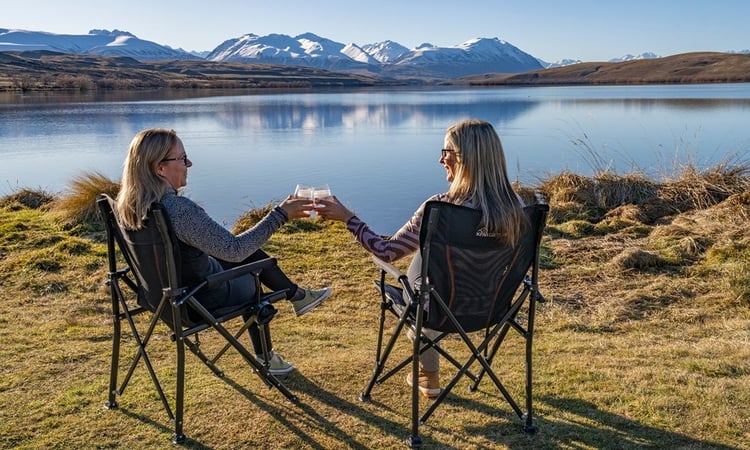
Yes, excess-reduction packages are generally worth paying extra for because they allow you to enjoy your road trip without the constant stress of a potential $7500 NZD repair bill hanging over your head.
There is no requirement to pay the extra fee for a liability reduction option. The choice will depend on your appetite for risk. Ask yourself how you might feel receiving a $7500 NZD bill on your holiday. Even if you think it wouldn’t rattle you, how would your partner or the rest of your travel party view it?
Motorhome road trips in New Zealand involve driving a large and unfamiliar vehicle in a variety of road conditions, such as hilly, narrow, winding, and unpaved roads. Accidents and damage to windscreens and tyres are more likely on these roads than on city streets. Reducing your liability can make it easier to focus on having the adventure of a lifetime rather than worrying about potential damage to your motorhome hire.
Even if you’re a cautious driver and haven’t had an accident in years, it’s not just about you and your driving prowess. Since there’s no legal requirement to insure your vehicle in New Zealand, around five percent of vehicles here are uninsured. This means that unless the rental operator (or their insurer) can recover the cost of repairs from the uninsured driver, you will be charged for the damage, regardless of who is at fault.
Vehicle repairs are also costly in New Zealand, and any damage may result in higher costs than in many other countries. That's because most campervans and motorhomes are manufactured overseas, and replacement parts need to be shipped to New Zealand.
Be aware that you will be charged the insurance excess for each separate incident that your rental motorhome is involved in. That means that you will pay the excess several times over if you have multiple accidents, no matter how small.
What is and isn’t covered by standard motorhome rental insurance in New Zealand?
.jpeg?width=750&height=448&name=Should-I-take-campervan-rental-insurance-1%20(1).jpeg)
Campervan hire insurance covers accidental damage to the motorhome, including anything from damaged bumpers to vandalism, theft of the motorhome, and public liability.
The details for your specific cover can be found in the rental terms and conditions, which will outline both what is covered and what is not covered.
Here are a few examples of what’s typically included and excluded in motorhome rental insurance in New Zealand:
|
Common inclusions |
Common exclusions |
|
|
Should you purchase a liability reduction option for a campervan hire from a third party?
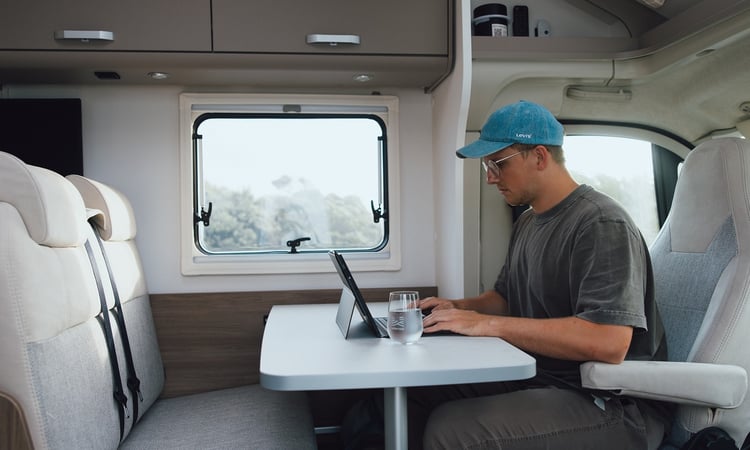
While you can purchase liability reduction from a third party, most renters decide to purchase their liability reduction options directly from the rental operator, solely to eliminate worry, upfront out-of-pocket costs, and stress if the motorhome is damaged.
If you purchase a liability reduction option from a third party and need to make a claim, the rental company will treat your claim in the same way as they would any hirer who didn’t purchase a liability reduction option. This means that when you return the motorhome, the damage will be scrutinised and the full liability excess will be deducted from your credit card or, in the case of a bond, this will be held. You will then need to contact your third-party provider, make a claim with them, and wait for your reimbursement. This can be a stressful and drawn-out process, taking weeks or months before your money is paid back.
Purchasing a liability reduction option from your rental operator will give you the opportunity to cover the full excess. Liability reduction options from a third-party provider may only partially cover your excess.
Rental motorhome providers often have a maximum amount you are required to pay for liability reduction during your trip. Typically, the maximum number of days you have to pay for is fifty, no matter how long you are on hire. Third parties will charge you for all the rental days, with no cap. A third-party provider can save you money. However, you may still have to pay an admin fee to the rental operator for each claim you make.
You also won’t receive any complimentary extras like a BBQ, chairs and tables from third-party providers. Most rental operators offer free extras in their zero excess liability reduction options, so factor in this cost if you intend to hire these along with your motorhome.
Does my travel insurance or credit-card insurance cover motorhome rentals in New Zealand?

While most travel insurance covers the insurance excess for car rentals, very few cover large vehicles like a motorhome rental.
If your travel insurance does cover the motorhome rental excess, check if the maximum amount is equal to or higher than the motorhome rental operator’s excess. If not, you will have to pay the difference in the event of an accident. If your travel insurer does cover you for motorhome excess, you should consider all the issues of dealing with a third-party provider (mentioned above) if you need to make a claim because the motorhome is stolen or damaged.
Even though it is unlikely that your travel insurance will cover the motorhome rental excess, getting travel insurance is still worthwhile. It can cover unfortunate events like illness and travel cancellations. Check that your travel insurer covers the items you expect, as some companies only cover your vehicle excess and luggage.
So, should you get insurance for your rental motorhome?
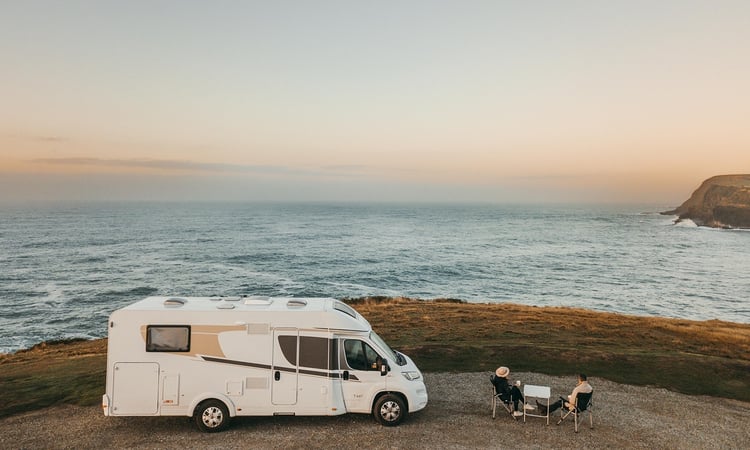
Because rental operators are required to include comprehensive insurance in their daily rental rates, your rental is already fully insured, leaving you to decide if you are comfortable risking the default excess amount or if you want to pay for a liability reduction option.
Since the excess represents how much you’ll have to pay if the motorhome is stolen or damaged, you’ll need to consider your appetite for risk. If you’re comfortable paying up to $7500 NZD* per incident, the default option with no additional daily cost will suit you.
But if you’re afraid that shelling out this much would put a dampener on the trip you’ve been looking forward to, you might prefer to pay the fee for a lower liability option and have the peace of mind.
If you are looking for an elevated experience where absolute comfort meets exploration, you can travel in motorhome luxury with The Suite. This premium offering gives you a spacious, high-end basecamp for your adventures, and when paired with a comprehensive liability reduction option, you can enjoy it completely worry-free.