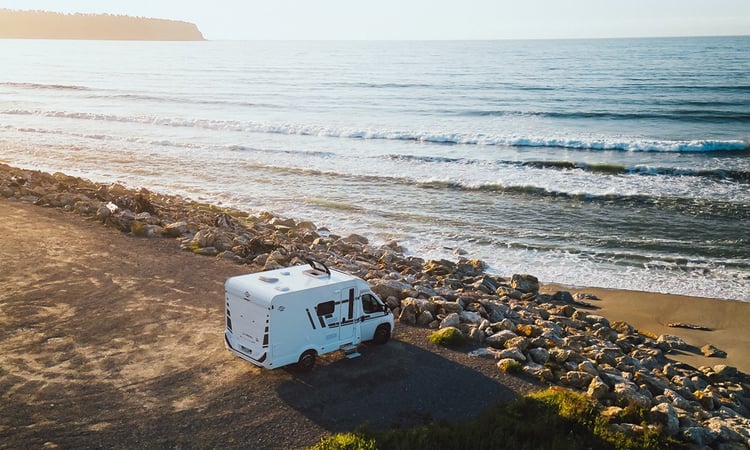
New Zealand is a small country, but its unique geography means its climate varies greatly from one part to another. It's warm and subtropical in the far north and cool and temperate in the far south. This article will explore what to expect at different times of the year, how to make the most of your motorhome trip, and how to prepare for a motorhome trip during each season.
When is the best time to rent a campervan in New Zealand?
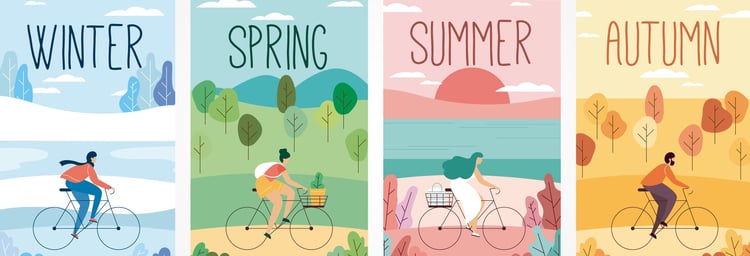
The best time to rent a campervan in New Zealand depends entirely on your travel priorities, whether you prioritize the hot beach days of summer, the quiet scenic roads of winter, or the colourful shoulder seasons of spring and autumn.
Peak summer (December to February) offers the best beach weather and long daylight hours, but it comes with premium daily rates, busy campsites, and high demand for popular attractions. If you want the best balance of warm weather, lower prices, and open attractions with fewer crowds, autumn (March to May) is widely considered the sweet spot.
Alternatively, winter (June to August) brings lower rental prices and peaceful open roads, perfect for ski trips, though some high-altitude tracks close. Spring (September to November) delivers blooming landscapes and moderate rates, though the weather can be unpredictable.
What is the climate like in New Zealand?
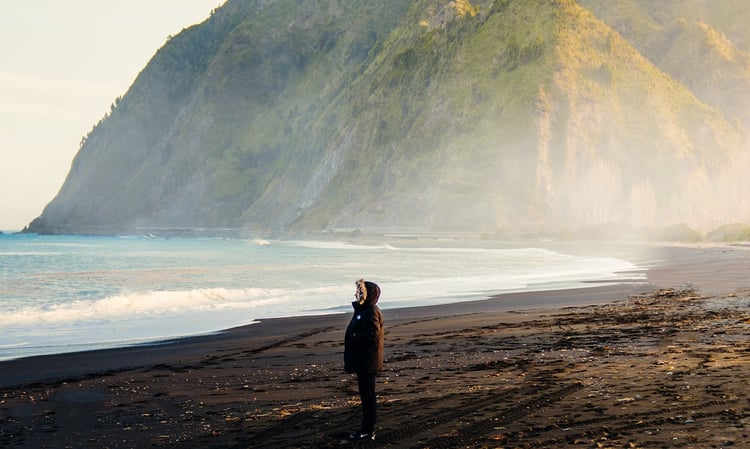
The climate in New Zealand is generally mild and temperate, meaning you won’t often experience the blistering heat or freezing extremes found in continental countries.
Because New Zealand is an island nation, the surrounding ocean regulates the temperatures. The mean annual temperature is 10 degrees in the south and 16 degrees in the north, with most regions enjoying over 2,000 hours of sunshine a year.
Except for some inland areas, variations in temperatures between seasons are minimal. Snow is usually limited to the mountainous regions of the Central North Island and South Island.
|
Summer |
Autumn or Fall |
Winter |
Spring |
|
|
Months |
December - February |
March - May |
June - August |
September - November |
|
Average |
20 - 25˚C (68 - 77˚F) |
17 - 21˚C (62 - 70˚F) |
12 - 16˚C (53 - 61˚F) |
16 - 19˚C (61 - 66˚F) |
|
Tourist |
High |
Shoulder |
Low |
Shoulder |
Should I plan my New Zealand road trip during the Summer season?
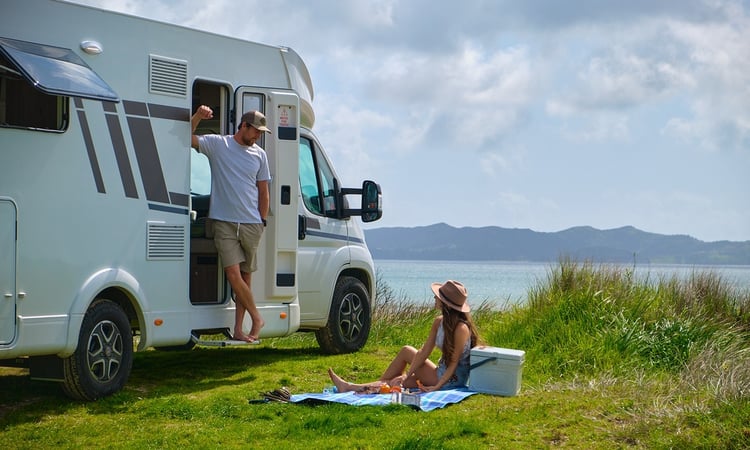
Yes, a campervan road trip during the December to February high season is highly recommended if you want the best beach weather and long, sunny days. However, with peak season demand comes higher daily rates, so you will need to book your Wilderness Motorhome and campsites well in advance to beat the crowds and secure availability.
What is it like travelling in New Zealand in mid-December to early January?
If you’re considering a road trip between mid-December and early January, be prepared for crowds at popular destinations such as Queenstown and experiences such as The Church of the Good Shepherd in Tekapo and the Tongariro Crossing. At this time of year, we have more international visitors than at any other time of year, as well as domestic tourists travelling during their summer holidays.
Why take a campervan trip in mid-December to early January?
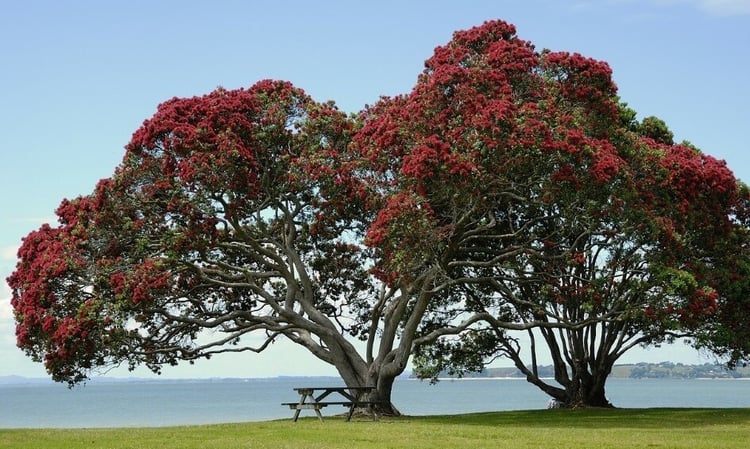
As New Zealand summer unfolds, the days get longer and warmer with more settled weather. Longer days mean more time to spend exploring the great outdoors, from beaches to hiking trails. If you’re in New Zealand on Christmas Day, consider indulging in your very own Kiwi Christmas by enjoying a barbecue outside your motorhome against a backdrop of pohutukawa trees.
What is it like travelling in New Zealand in early January to February?
January and February have the highest temperatures, so they are likely to be warm and sunny. It’s the best time to spend at the beach or lake. The miles of beaches come alive as Kiwis and visitors enjoy swimming, surfing, snorkelling, sailing, and many other fun water activities.
However, no matter what the time of year, low-pressure systems sometimes creep across the Tasman Sea, bringing rain and cooler weather. So you may have a day or two to sit indoors with a good book and a glass of wine.
Why take a campervan trip from early January to February?
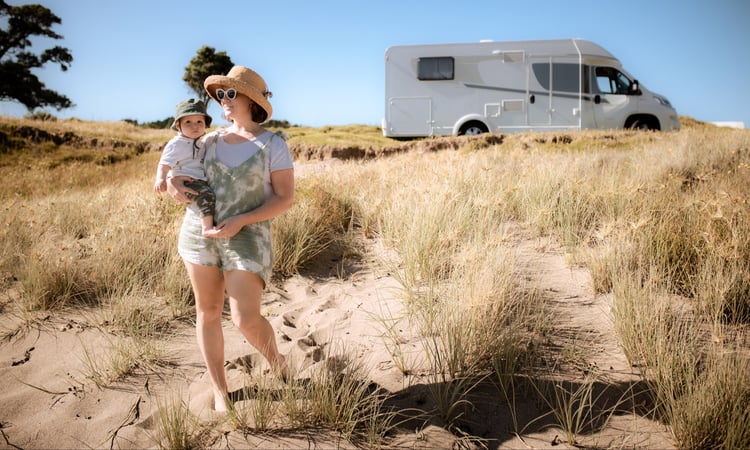
It’s a lesser-known fact that visitor numbers dip in the second half of January as international tourists head home and Kiwis return to work. The drop in demand means that you can often find good deals on attractions, transport, and accommodation for the couple of weeks when tourist activity is a bit lower.
If January and February are the months that fit best with your schedule, you can avoid the crowds by staying away from the most popular tourist areas. Instead of Fiordland or Rotorua, explore less popular locations like Northland, the East Coast, Taranaki, Golden Bay or the northern West Coast.
How should I prepare for a campervan trip in Summer?
Book your Wilderness Motorhome rental and campsites well in advance. Choose a motorhome with good insulation, plenty of windows and roof vents for ventilation, and insect screens (to keep the bugs out). Temperatures in New Zealand don’t reach the highs you’ll get in Australia, so air conditioning in the living compartment isn’t necessary. Since you’ll want to maximise your time outdoors, you’ll appreciate the convenience and comfort of a motorhome with permanently made-up beds, and outdoor chairs, tables and a portable barbecue.
New Zealand’s sun is a lot more punishing than in most other countries, so you need to make sure you’re well protected when outdoors - even on a cloudy day. UV radiation can be especially high in summer, meaning you’re more likely to get burnt. Make sure to put sunscreen (SPF30+) and sun hats at the top of your packing list. You’ll also want to pack for the possibility of cold weather or rain.
While New Zealand has few dangerous creatures, mosquitoes and sandflies can be a problem in summer (mostly on the West Coast of the South Island). They leave bites on exposed skin, which can be very itchy. Insect repellent containing DEET is a great protector. If you do get bitten, antihistamine cream, calamine lotion, and even Bonjela can be helpful to reduce the itch.
Learn about the long summer days in New Zealand during these three months.
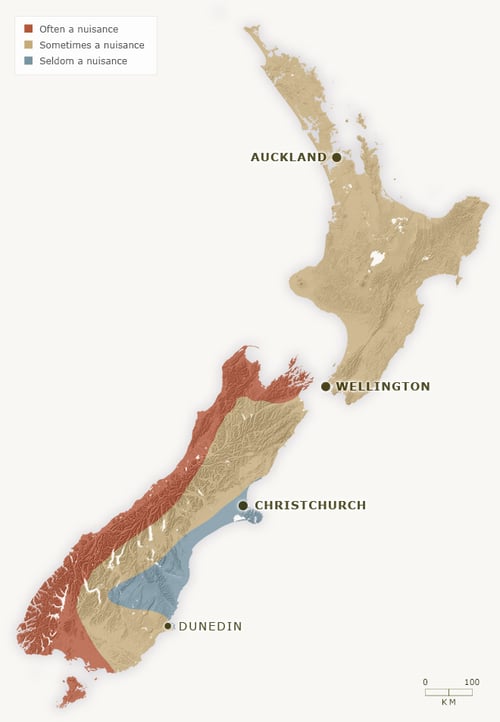
Where's the best place to go in New Zealand in Summer?
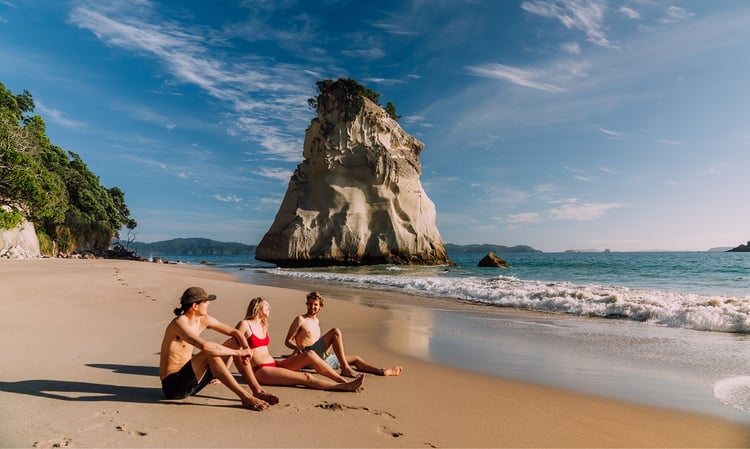
We highly recommend visiting the Coromandel in the summer months. This popular holiday destination is known for its pristine white sand beaches, rugged mountain ranges, and charming coastal towns. There are plenty of beautiful spots to park your motorhome overnight, from Whangamata in the south to Coromandel Town in the north. Surfing at top surf breaks like Whangamata or Hot Water Beach and snorkelling in one of the marine reserves are must-do activities.
Why is Autumn a great time for a campervan holiday?
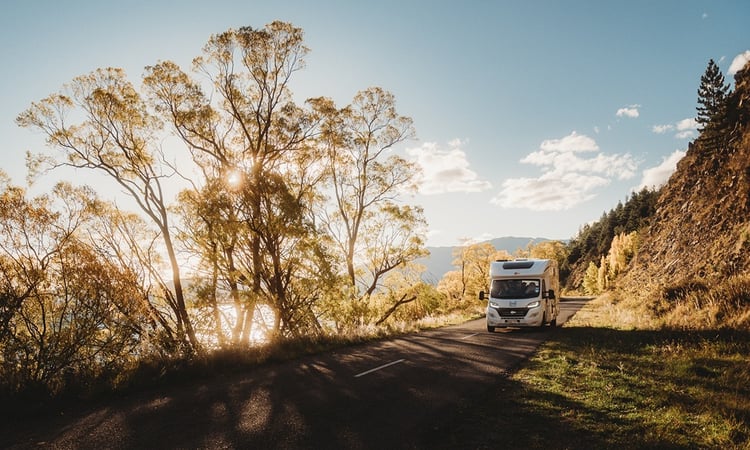
Travelling in March and April is an excellent choice because you get to enjoy the lingering warmth of summer, spectacular autumn foliage, and significantly fewer crowds. Better yet, campervan rental prices start to ease, giving you better value while attractions and campsites remain fully open.
What is it like travelling in New Zealand in March and April?
Visitor numbers drop at the beginning of autumn and prices along with them. However, the warm and settled weather in March and April makes them popular months to travel.
Holiday destinations will be busy over Easter with locals taking a break (check out fun things locals are doing during this period here), so it’s worth checking your dates to be prepared for the Easter holidaymakers. Come April, the weather is starting to cool, especially in the south, but travellers in late autumn may be rewarded with long spells of fine weather.
Why take a campervan trip in March and April?
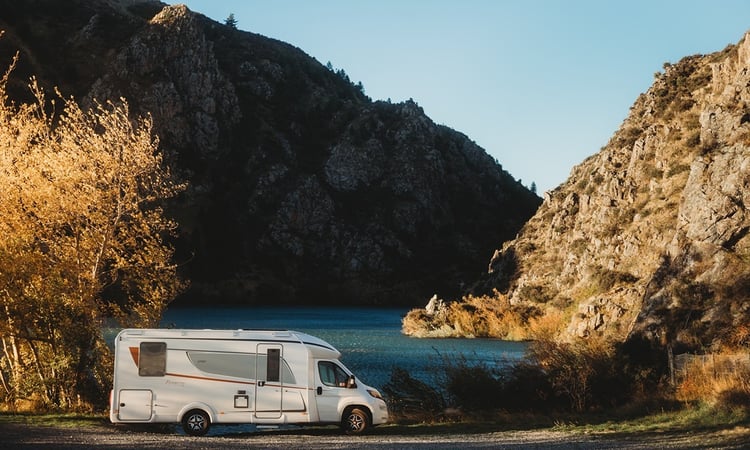
The summer crowds have dispersed by March, making it the ideal period to enjoy scenic spots with fewer people. Most of the best beaches are fairly deserted in March, especially during the week. If you’re in the north and don’t mind cooler water, you can swim well into April. The cooler weather is the perfect time to explore the geothermal wonderlands across the country. Grab your swimsuit and head to one of the many hot pools around the country. Kick back and relax in a natural thermal spring, and/or take the family to a thermal resort to enjoy the many warm water activities.
April also brings beautiful autumn colours across New Zealand, which are especially spectacular later in the month in the South Island. Admire the striking yellow poplars as you wander around Lake Wanaka or take a punting tour along the Avon River in Christchurch to enjoy the autumn colours by boat.
How should I prepare for a campervan trip in Autumn?
It’s best to pack for both warm and cool weather in the autumn. Our advice is to pack extra layers so you can put more on when it’s cooler and take them off when the weather is warmer.
Daylight saving time ends in April, so the days will be shorter. Make sure you allow daylight time to locate your campsite for the night, especially if you’re planning on freedom camping. Trying to park a motorhome in the dark in an unfamiliar place can be challenging.
Where's the best place to go in New Zealand in Autumn?
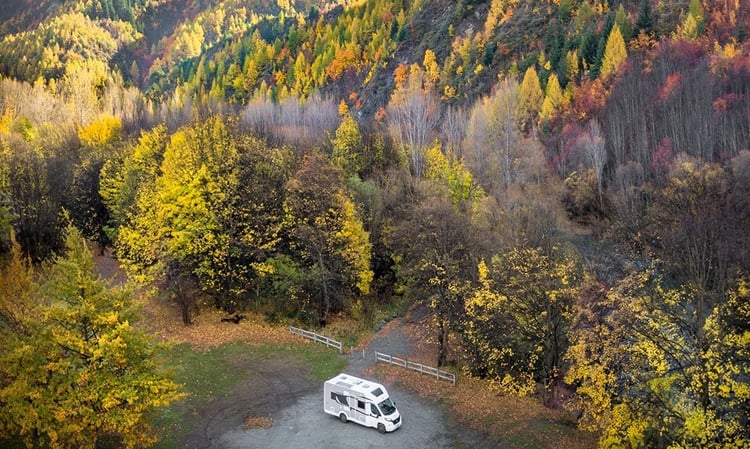
Central Otago is a gorgeous location to enjoy the autumn colours. The long-running Arrowtown Autumn Festival, held in late autumn, attracts large numbers of visitors who enjoy the parades, art exhibitions, a market, gold panning championships, and foodie events.
Is it worth renting a campervan in New Zealand during the Winter season?
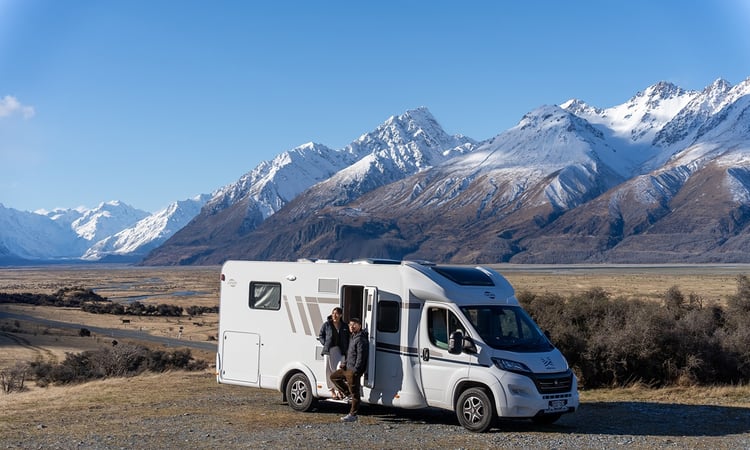
Yes, a low-season road trip is a fantastic idea for budget-conscious travelers and snow-sports enthusiasts, provided you rent a fully winterised vehicle to stay warm.
What is it like travelling in New Zealand in May, June, July and August?
If avoiding the crowds and getting a great deal for your travel dollar are important to you, then we would recommend taking a trip between May and August. While it will definitely be cooler and you’ll have a higher chance of rain and snow, you will be warm as toast in your Wilderness Motorhome. Many Kiwis take the opportunity to get out of town in the July school holidays, so you can expect prices to be a little bit higher over those periods.
Why take a campervan trip in May, June, July, or August?
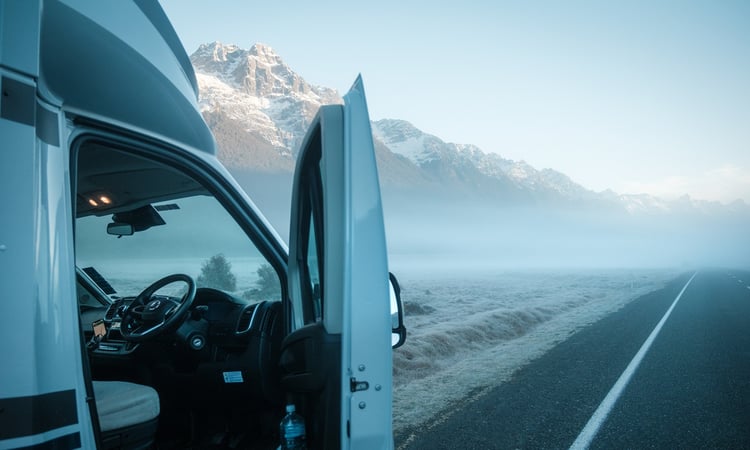
You’ll find some great deals on motorhome rental rates during the low season, which means your travel dollar will go much further. The low winter prices mean you can take a much longer trip for the same amount you’d spend in the summer.
From July onwards, the ski fields usually have a generous covering of snow, so snow sports lovers head for the mountains. While you’ll find ski fields to suit all levels of experience in both the North and South Islands, there are a lot more fields in the South Island.
Between May and August, you’ll have the best chance of spotting the spectacular Southern Lights (aurora australis) in the night sky from various parts of the South Island. You can view the Southern Lights from one of the Dark Sky Reserves or pretty much anywhere in the lower half of the South Island if you’re lucky.
How should I prepare for a campervan trip in Winter?
It’s important to ensure your motorhome is winterised. Not all motorhomes are created equal, but a Wilderness Motorhome is designed to keep you cozy. Most rental motorhomes are designed for three-season travel. They may come with a heater, but if the motorhome isn’t insulated and the windows are single-glazed, you’ll struggle to stay warm. If you plan to stay off-grid, make sure the heating works when you’re not connected to mains power.
You may find that some attractions are closed over the winter. Some tourist operators, including attractions, holiday parks and even conservation areas, take the opportunity to give their staff a break and undertake repairs while the visitor numbers are lower. Contact operators to find out their winter hours before you make any special trips to an attraction or accommodation spot to avoid disappointment.
As daylight hours are shorter in the winter, make sure you get to your campsite before dark so you can choose a suitable parking spot. Avoid parking on soft ground in the winter as the motorhome may get stuck. Pack a flashlight to help with locating things in the dark.
The further south you head, the more warm clothing you should pack. Be sure to also pack indoor activities such as cards, board games, and books to keep the family amused when the weather isn’t suited to outdoor adventures.
Where’s the best place to visit in New Zealand in Winter?
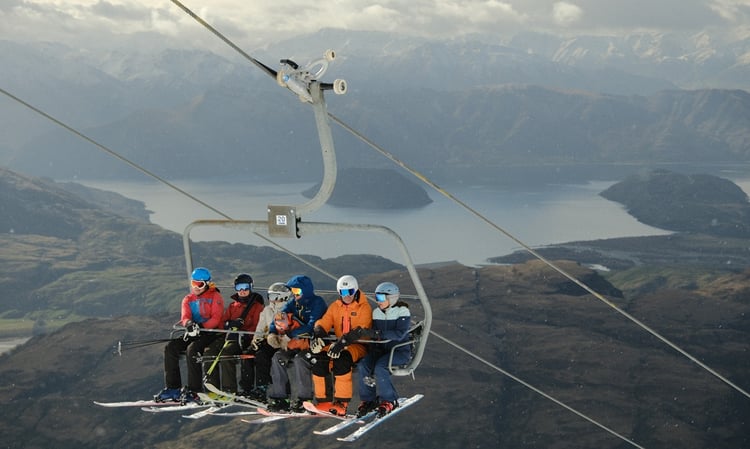
If you enjoy skiing, check out the five top ski resorts in Queenstown and Wanaka: The Remarkables, Coronet Peak, Cardrona, Treble Cone and Snow Farm. These resorts offer terrain to suit everyone from novice to expert.
Explore more beautiful winter destinations to visit by motorhome in NZ.
What makes the Spring season an ideal time for a motorhome trip?
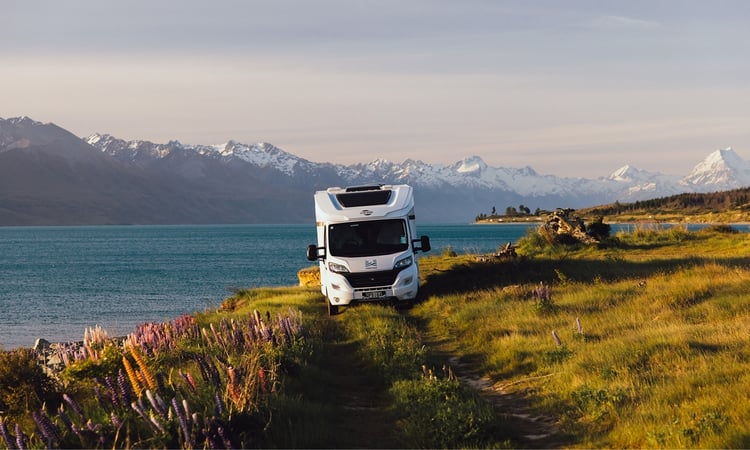
Traveling in spring (September to early December) is considered ideal because you get to witness the country blooming into life while taking advantage of fantastic pre-summer rental rates.
What is it like travelling in New Zealand in September, October, November, and December?
During September and October, expect the unexpected weather. Days with sunny periods followed by showers of rain and a sudden drop in temperature aren’t uncommon. The weather becomes more settled in November and December as summer approaches.
Why take a campervan trip in September, October, November, and December?
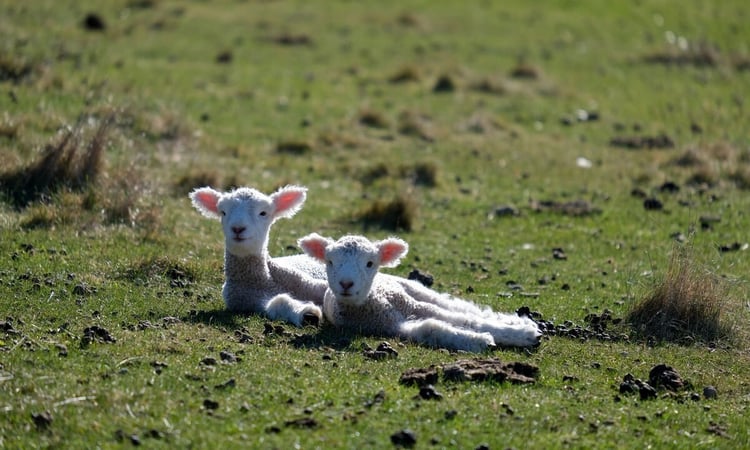
November is the most popular spring month to travel. Since demand usually dips before the summer holidays start at Christmas, you can lock in some good deals on motorhome rentals, especially in the first half of December.
Touring by motorhome in spring is the best way to experience the country emerging from winter. Walk through the parks in Christchurch to see the bluebells and daffodils, and in Dunedin to see the rhododendrons. Then take the South Island’s backcountry roads to see lupins in full bloom on the roadside. Capture the brimming rivers and vigorous waterfalls on film. If you don’t mind getting wet, spring is the perfect time to try white water rafting.
How should I prepare for a campervan trip in Spring?
Since the weather can be unpredictable in spring, make sure you’re prepared for warm and sunny as well as wet and cool weather. Spring blooms may trigger allergies in some people, so if pollen season usually affects you, pack your antihistamines.
Where’s the best place to visit in New Zealand in Spring?
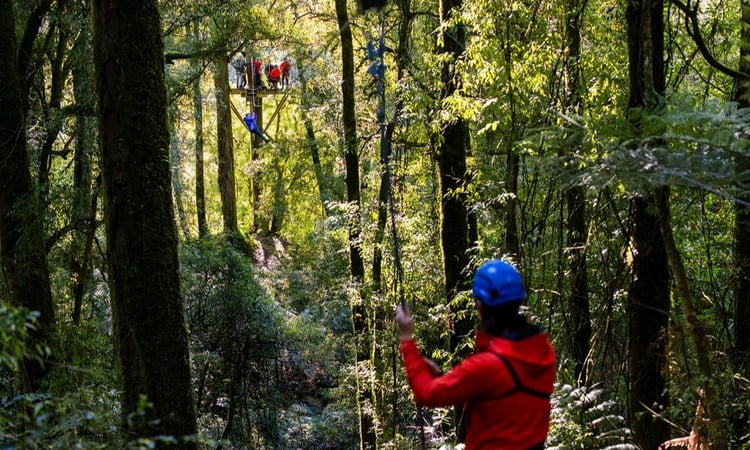
Image by Rotorua Canopy Tours
Explore the gorgeous array of spring botanical displays in the Hamilton Gardens’ 28 themed gardens. Don’t miss the weird and wonderful Surrealist Garden. If you have the whole family in tow, we also suggest visiting Rotorua Canopy Tours for a thrilling zipline experience up high in the ancient native forest.
What specific items should I pack for motorhoming in different New Zealand seasons?
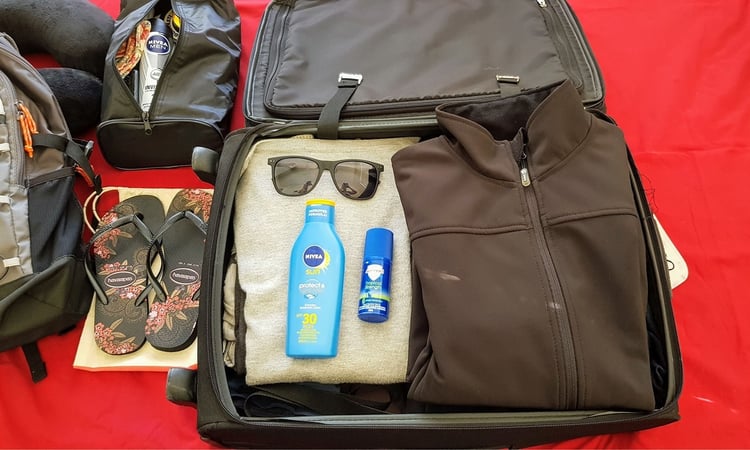
Packing for a motorhome trip requires adjusting to New Zealand’s dynamic climate. Because every Wilderness Motorhome provides ample storage, you can comfortably bring the essentials for your specific travel window:
-
Summer (Dec - Feb): New Zealand’s sun is notoriously harsh due to lower ozone levels. You absolutely must pack SPF50+ sunscreen, wide-brimmed hats, and sunglasses. Bring insect repellent containing DEET for mosquitoes and sandflies (especially on the West Coast), and light, breathable clothing.
-
Autumn (Mar - May): Layering is key. Pack t-shirts for the warm afternoons, but bring a high-quality fleece, a windbreaker, and long pants for the crisp evenings.
-
Winter (Jun - Aug): While your Wilderness Motorhome is well-heated, you will need thermal undergarments, a heavy waterproof jacket, beanies, gloves, and waterproof footwear for outdoor exploration. Pack a flashlight for navigating campsites during the shorter daylight hours.
-
Spring (Sep - Nov): Prepare for unpredictable weather. A high-quality rain jacket and waterproof shoes are essential for wet days, alongside lighter layers for when the sun breaks through. If you suffer from hay fever, pack plenty of antihistamines for the spring pollen.
No matter what month or season you choose, there is so much to explore and enjoy throughout New Zealand. The best month will depend on what type of traveller you are, whether you’re willing to take a chance on unpredictable weather in order to stretch your travel budget or you prefer the certainty of more settled weather and are happy to pay a premium.
If you’re looking for settled warm weather, are not budget conscious and don’t mind the crowds, consider travelling in the high season from mid-December to February.
If you don’t mind cooler evenings and mornings that make way for warm days and prefer fewer tourists, an autumn road trip in March and April is perfect.
If you love colder weather, enjoy winter sports and like the idea of low prices for your holiday, the winter low season between May and August is worth considering.
-
Best months for enjoying beaches and fine weather: January, February and March
-
Best month for festivals and events: January
-
Best months to see autumn colours: April, May
-
Best months to soak in a hot pool: May, June, July, August, September, October
-
Best months for hiking: April and May
-
Best months for viewing the night sky: May, June, July, August
-
Best months for snow sports: June, July, August
-
Best months for avoiding crowds: June, August
-
Best months for visiting parks: September, October, November
Whatever time of year you choose, we have no doubt you’ll make some fantastic memories in New Zealand.
Be sure to check our tips for planning a New Zealand motorhome trip.