-
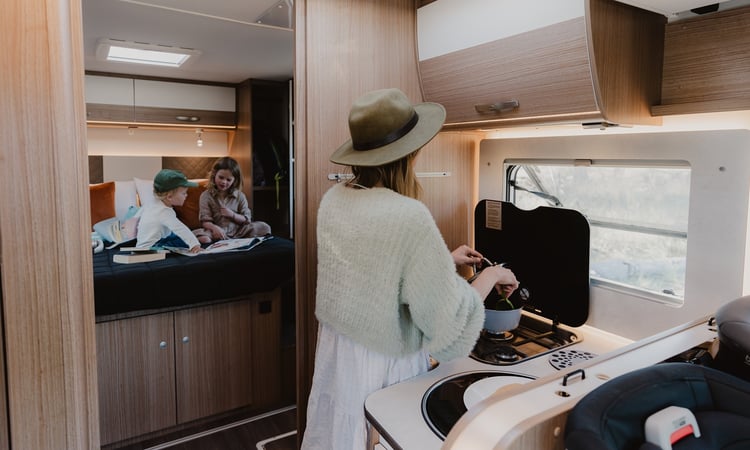
A good motorhome rental feels like a home, with comforts like comfortable bedding, a well-equipped kitchen, and a practical bathroom.
To ensure you hire a motorhome that promises a comfy, safe, and smooth New Zealand road trip, these are the top ten features to keep in mind:
-
Inviting living space — with plenty of seating and room to relax during downtimes
-
Comfortable beds — with high-quality bedding, storage space and privacy
-
Practical bathroom facilities — including a fixed toilet, dedicated shower area, hand basin, small storage spaces and ventilation
-
Climate control — the ability to heat and ventilate your motorhome easily
-
Fully equipped kitchen — featuring a fridge-freezer, gas hobs, sink, cookware and food storage areas
-
A variety of storage space options — making it more straightforward to organise your travel life on the road
-
On-road performance — a powerful engine with excellent suspension and handling for an enjoyable ride
-
Modern user-friendly technology — including Bluetooth, onboard WiFi, USB ports and a smart TV
-
Safety items — like a reversing camera, fire extinguisher, first aid kit and carbon monoxide detector
-
Power solutions — including mains power hookup, gas bottle, battery system, inverter and even solar panels.
Hiring a driveable, well-equipped, comfortable, and safe motorhome will help you make the most of your travels.
Read our blog about choosing the right RV rental in New Zealand.
The key difference between motorhomes and campervans
Motorhomes are typically self-contained vehicles built on larger chassis. They usually have full living facilities, such as bathrooms, kitchens and bedrooms.Campervans are converted vans. They’re usually more compact with fewer amenities.
-
-
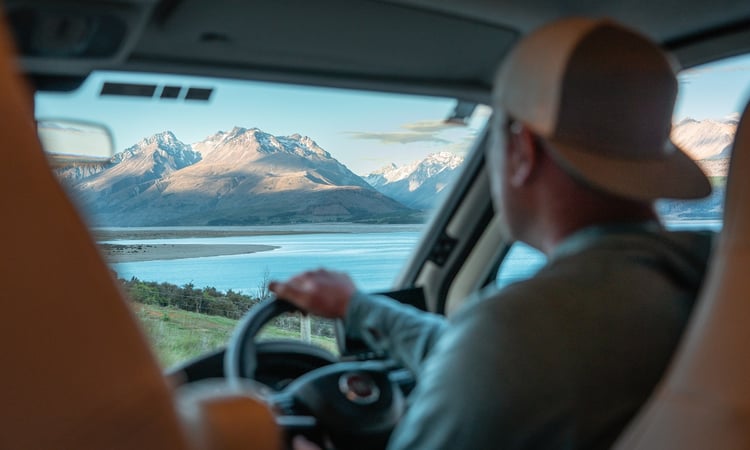
How your RV performs and drives is one of the most important aspects of choosing an ideal hire vehicle. You’ll spend plenty of time driving from place to place, so feeling comfortable behind the wheel is vital.
The on-road performance and driveability of your motorhome rental in New Zealand are essential because:
-
Longer driving days are likely — making responsive steering and smooth handling important for reducing fatigue and improving comfort on the road
-
Windy conditions are prevalent in NZ — so a robust, stable recreational vehicle will minimise sway and give you greater control
-
Parking can be tight — making manoeuvring into spaces and around campgrounds less stressful
-
Off-the-beaten-track locations sometimes involve driving on gravel roads — so excellent suspension and enhanced control and safety are vital.
Choosing the right motorhome with reliable on-road performance ensures safety, comfort and the ability to enjoy New Zealand's diverse landscapes.
Engine power and road restrictions
New Zealand’s roads are often hilly, narrow and winding, so a motorhome with dependable power, braking and handling will help keep your travel group safe. Some rental operators have road restrictions in their terms and conditions — such as not being allowed to drive on gravel roads.
Ask the hire company whether your motorhome’s engine size can handle varied terrain without struggling.Motorhome size considerations
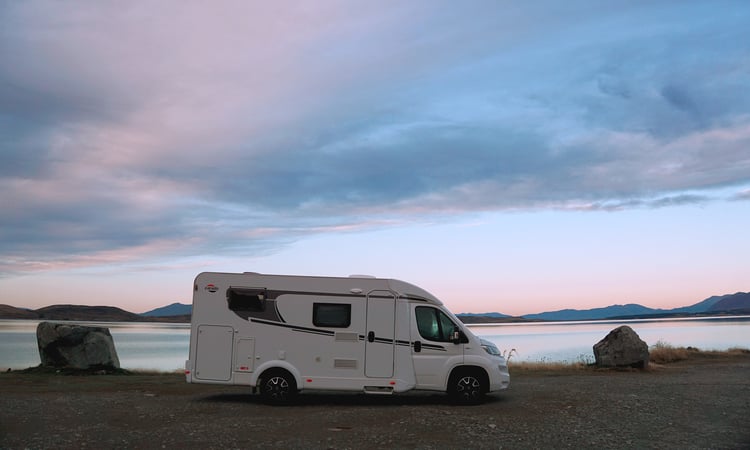
The RV’s size affects its manoeuvrability, handling on the road and overall comfort while driving.
Shorter motorhomes and campervans are easier to manoeuvre — especially when navigating narrow roads and heavy city traffic. Turning around is also more manageable in a compact motorhome because it has a smaller turning arc than a larger recreational vehicle.
The size of the motorhome can also make it easier or harder to find suitable parking — particularly at smaller campsites or freedom camping spots.
Also, consider the height of your prospective campervan rental, as overhanging tree branches can sometimes be an issue on narrow gravel roads.
Check out our guide to driving a motorhome in NZ for the first time.
-
-
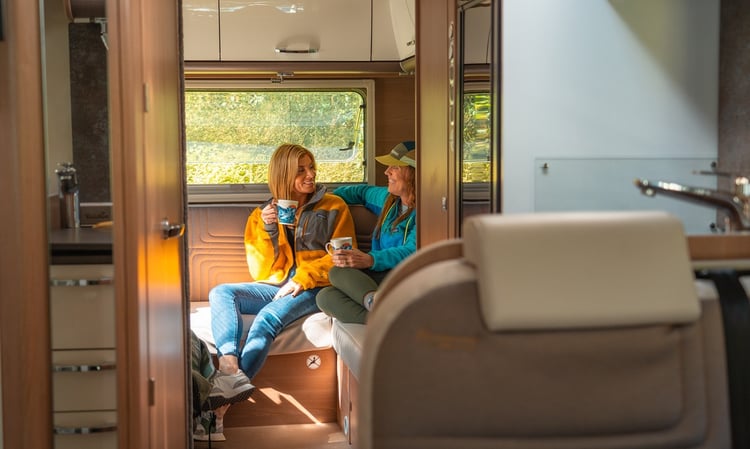
The environment inside your motorhome hire can provide a sense of homeliness while on the road. When looking at RV options, consider models that show a comfy and relaxing living area — with thoughtful designs for convenience and ease of use.
A cosy lounge and smart dining setup may include:
-
Plenty of soft, supportive seating — for everyone in your group
-
A functional layout — that’s easy to move around and where everything feels easily within reach
-
An adjustable table — to expand for dinner or card games and retract when not needed so you can effortlessly move to and from the cab
-
Natural light — through large windows and overhead skylights, which also offer excellent views
-
Entertainment — like a TV that can comfortably be viewed from the motorhome’s living area seats.
Aim to be clutter-free
Are there designated areas for hanging jackets, storing shoes and placing outdoor gear?Take a look at your prospective motorhome hire’s online images. Look for overhead compartments, under-seat storage and underfloor spaces. Extra storage spaces will help you keep your living area free from clutter.
-
-
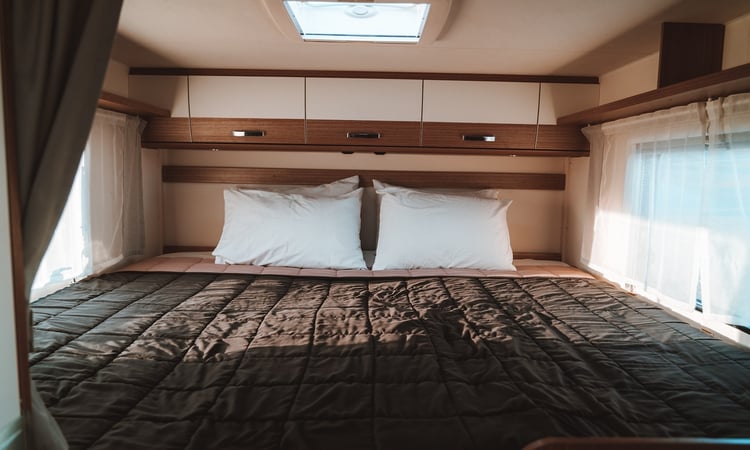
One of the best motorhome features for New Zealand travel is a restful bedroom space with privacy — for a completely comfortable experience on the road.
Privacy
What level of privacy you need will depend on your travel group. If you’re planning a road trip as a family with kids or with another couple, a motorhome that separates the rear bedroom from the living space using a dividing door may appeal.
Blinds or curtains that block out light and protect you from the view of other campers are necessary for enjoying privacy.
If your chosen motorhome has a drop down bed, check if there’s netting or curtains to add a layer of privacy. Drop down beds are usually easy to set up — and ideal in a space designed for dual use. Setting up and packing away any convertible beds quickly ensures they don’t become an onerous task.
Comfort
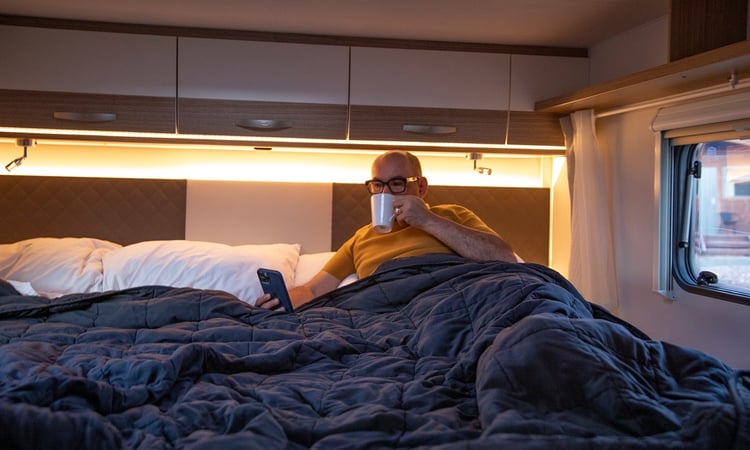
Just how comfortable each night’s sleep in your motorhome is will depend on:
-
A quality mattress and bedding — like a thick mattress with adequate support on a solid structure like a slatted frame
-
Lighting — soft, adjustable lighting will help create a relaxed ambience while dimming options can be perfect for reading before sleep
-
Ventilation — it can get hot and stuffy inside an RV at night, so look for hires with easily openable windows and roof vents
-
Storage — spaces suited for storing clothing will help your road trip adventure stay uncluttered.
Discover more tips on getting a good nights sleep in a motorhome.
Bedroom space equals a happy place
When choosing which RV to book for your NZ journey, check the dimensions of the beds to ensure they’ll be long and wide enough.Take a close look at each website’s images of the bedroom space. Is there sufficient headroom? Is there enough space to move around the bed? Is the bed easily accessible?
-
-
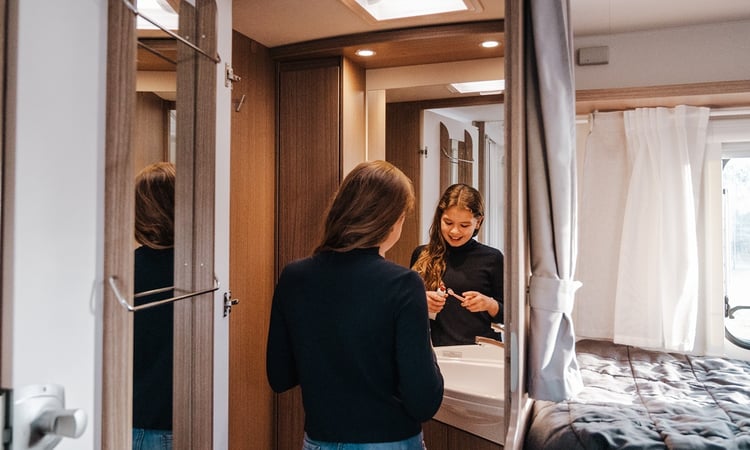
When it’s time to answer the call of the wild, and you just happen to be in the wilderness, an easy-to-use bathroom can save the day.
Freedom camping with a motorhome toilet and shower will take your New Zealand motorhome adventure to the next level. However, you’ll want to check that the RV you intend to hire is certified self-contained (CSC). This means the recreational vehicle meets the country’s freedom camping regulations.
The motorhome shower
An onboard shower, toilet and basin are convenient and reassuring, but some are more inviting to use than others. You’ll likely be choosing between motorhomes that have a:
-
Wet bathroom layout — where the toilet, shower head and basin occupy the same space and have to be dried down after each of your group showers, or a
-
Dry bathroom layout — with the shower and bathroom on different sides of the RV or a swivel door to separate both so the toilet and storage cupboards stay dry.
Dry bathrooms are more commonly found in larger, more premium motorhomes.
The motorhome toilet
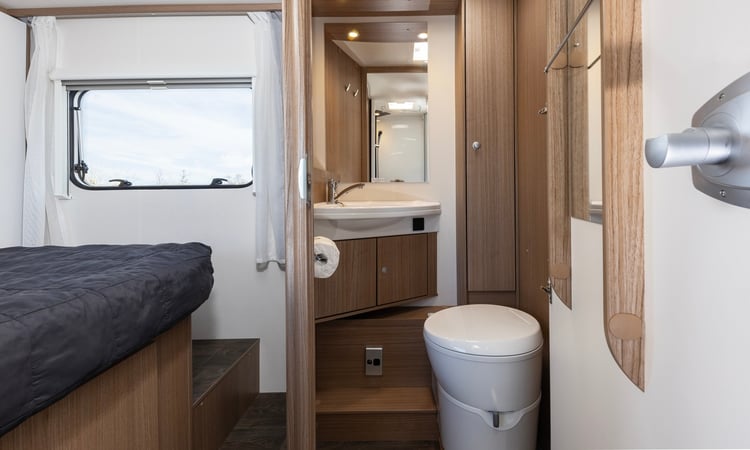
A fixed motorhome or campervan toilet will look similar to your toilet at home. The main differences are how waste is collected (and disposed of) and the operating mechanism.
Motorhome toilets certified for freedom camping must be able to hold at least three days' waste from each onboard traveller. Depending on your usage, toilet waste has to be emptied every two to four days.
Know how to empty a toilet cassette before you hire your recreational vehicle.
New Zealand has a lot of approved dump stations across the country where you can legally empty your:
-
Toilet wastewater
-
Shower, hand basin and kitchen sink grey water.
Check out our guide to campervan toilets and showers for more details, including how you can have a proper shower while freedom camping.
Be mindful of water usage
If you intend to spend much of your holiday time freedom camping, you’ll need to limit your water use. A few ways you can do this is by:-
Taking shorter showers — and turning off the water while soaping
-
Filling the kitchen sink with water — to wash the dishes
-
Carrying a packet of wet wipes or bottle of hand sanitiser — to reduce water use for personal hygiene.
-
-
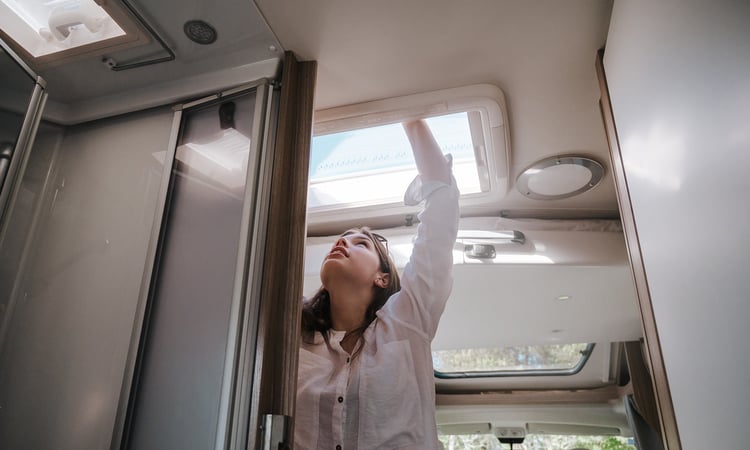
Your travels throughout New Zealand will be much more enjoyable if you hire a healthy motorhome. A healthy recreational vehicle is:
-
Fully winterised to provide warmth — with central heating, insulation and double glazing
-
Well-ventilated — with openable roof vents and windows, fly screens, and even a kitchen extractor fan.
A fully winterised motorhome will keep you cosy and warm in the coldest NZ winter temperatures.
Central heating system
Pulling up to one of the southern lakes during the winter months in a campervan rental that becomes an overnight ice box may not be your best New Zealand memory. To prevent your travel group from experiencing this unpleasant situation, actively search for an RV fitted with a central heating system.
Central heating disperses air throughout the motorhome — via a ducting system with vents strategically placed in each part of the vehicle. This type of design is common in premium motorhomes from Europe.
Campervans without central heating often rely on electric fan heaters, which are unsuitable for freedom camping as they quickly drain the battery.
A thermostat for superior comfort
Select a motorhome with a thermostat to control the temperature of its central heating system for your ideal warmth.You can set your preferred temperature and let the unit take care of the rest. The thermostat will automatically activate when the temperature drops below that.
Campervans that do not provide central heating often rely on electric fan heaters - which make them unsuitable for freedom camping as these will quickly drain your battery.
Insulation
A central heating system is only completely effective if the recreational vehicle is insulated. Many contemporary motorhomes come with some degree of insulation — but a top-end one should have insulation in its walls, floor and roof.
Also, look at the kind of blinds or curtains in your prospective motorhome rental. Curtains can let heat escape, whereas cassette blinds fitted to the frame of each window will stop residual heat loss.
Double glazing
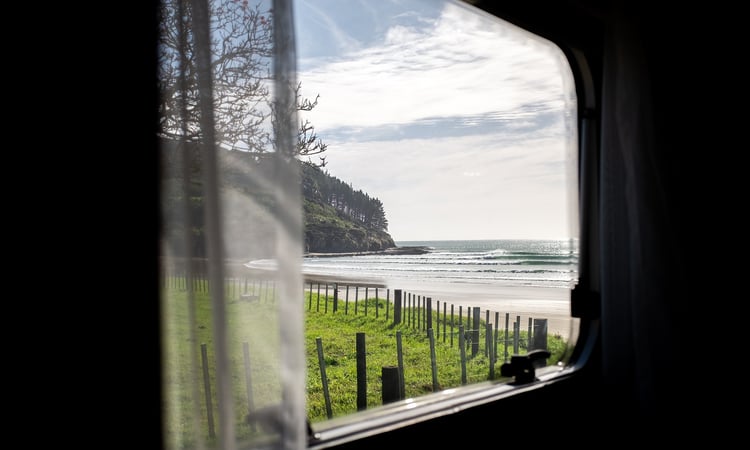
The third piece of the warmth puzzle is double glazing. When working in unison with central heating and insulation, double glazing helps prevent up to forty percent of heat loss through your motorhome’s windows.
Double glazing can also reduce moisture build-up inside your recreational vehicle, making it a dryer and more comfortable home on wheels.
Ventilation
Proper ventilation is important in a motorhome, regardless of the season or the expected weather outside. Effective ventilation will:
-
Cool down your motorhome
-
Dry out the air
-
Reduce moisture levels.
Search for a motorhome with plenty of openable windows throughout the living and bedroom areas. Your hire vehicle should also have roof vents, particularly where you need them — like the kitchen, shower and toilet spaces.
Learn more about how to stay warm on your NZ motorhome adventure.
Ventilate while heating
Heating can dry out the air inside your recreational vehicle — affecting your respiratory health. Though it might seem counterintuitive, ventilating the space while you’re heating it can help maintain a comfortable humidity level and prevent moisture build-up.
-
-
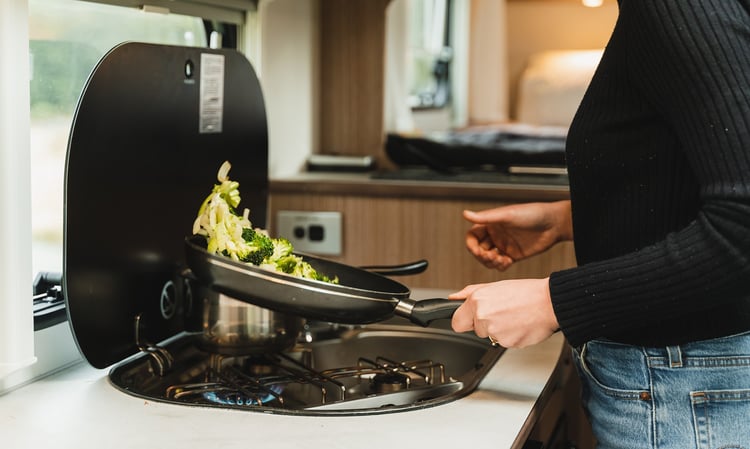
Some essential amenities in a rental motorhome are found in the kitchen. Without cooking appliances and food preparation tools, your dinner options will be limited.
When organising your New Zealand motorhome holiday, note whether the hire vehicle’s kitchen is well-equipped and functional. Check if it’s supplied with:
-
Gas — to use for cooking when you’re camping off-the-grid
-
Hob burners — or an oven or microwave
-
A sufficiently big fridge — and even a freezer
-
Crockery, cutlery, cups, glasses, bowls, pots, pans and cooking utensils
-
A plunger and a kettle — for brewing coffee and tea
-
Cleaning supplies — like a dishcloth, dishwashing liquid, dustpan, brush and tea towels.
See our guide to cooking in motorhome kitchens.
Preparation is the key
A motorhome kitchen is a relatively small space compared to your home kitchen. Planning your meals before going on holiday will help you to organise the space for prepping and cooking.
-
-
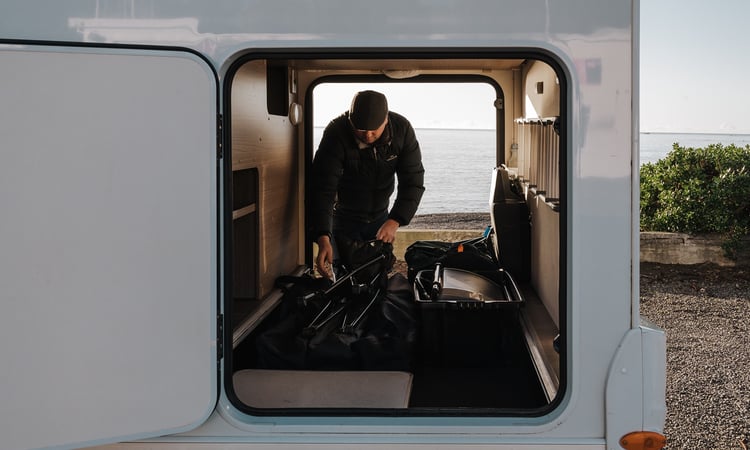
One factor when choosing the right motorhome hire that’s sometimes assumed is storage space. It’s not a given that the budget campervan you’re thinking about hiring will have enough space to store all your luggage.
Onboard storage space
Beyond having sufficient storage space, you’ll also want to find out what smart storage areas are available inside the rental RV. For instance, there may be:
-
Underfloor spaces — often ideal for shoes or boots
-
Kitchen cupboards — for groceries
-
Underbed storage — for large bags, packs or backpacks
-
Wardrobes — where clothes can be hung and kept organised
-
A safe box — to store essential items like your passport.
Hiring a motorhome with various intelligent storage spaces helps you travel relatively clutter-free and allows you to organise your gear so it’s easy to access.
External garage storage
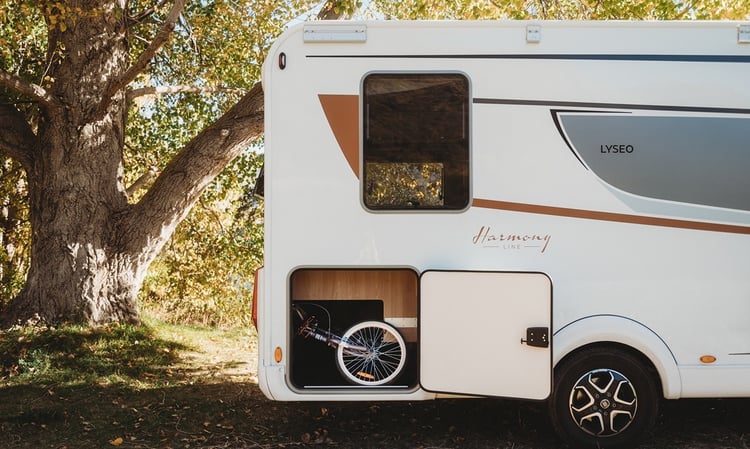
Many motorhomes come with an external locker, or garage, for storing large oversized items — whereas most campervans don’t have this valuable extra storage space. This additional space, usually only accessible from outside your motorhome, is often suitable for bikes, baby strollers, golf clubs, surfboards, skis and fishing gear.
Before booking, it’s important to check whether the motorhome you want to rent has enough room to store everything you plan to bring on your travels. Hard suitcases can sometimes be difficult to store — even in a motorhome garage.
Storing a large suitcase at the depot
Planning a round trip returning to the city where you picked up your motorhome? It may be possible to store large luggage like hard suitcases at the rental operator’s base.You’ll more likely find this option possible with a premium hire company that offers excellent service, but ask this question if you’re concerned about luggage.
-
-
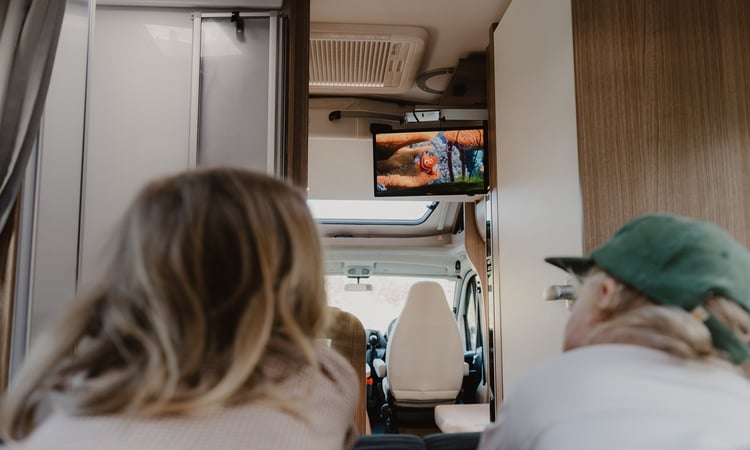
It wasn’t too long ago that a pile of CDs and DVDs added to the clutter in a motorhome rental. You had a few musical choices to choose between while driving and a handful of movies to watch if the weather turned poor.
Thankfully, those days have been replaced by a greater variety of entertainment — and it’s all packaged in the cloud, so it doesn’t take up any physical space.
A premium motorhome will likely offer onboard WiFi with unlimited internet access. This helps you stay in contact with your family and friends and gives you access to maps, navigation and travel resources.
Modern campervans and motorhomes, especially mid range to high end models, should also come with:
-
Apple CarPlay or Android Auto — which mirror your phone's interface on your rental vehicle’s display screen
-
A digital or smart TV setup — with the capability of streaming your Netflix or Disney+ content
-
Apple TV or Google Chromecast — so you can cast content from your phone, tablet or laptop
-
Bluetooth capability — allowing you to stream music from your device through the motorhome’s speakers.
Learn about entertainment in a premium motorhome.
The hidden benefits of onboard WiFi
Travelling by motorhome on the open road can be noisier than in a car. The internal space is more extensive, and road noise can make hearing music or voices from the cab more difficult.If you’re on vacation with kids, this situation could frustrate them. Consider packing their device and headphones — and choosing a motorhome rental operator with an onboard WiFi option.
They’ll then be able to play games or listen to their own music while you’re on the road.
Do you have limited annual leave available but can work remotely? Consider extending your holiday and work in the morning from your motorhome. Save the afternoons and evenings for sightseeing and family time.
-
-
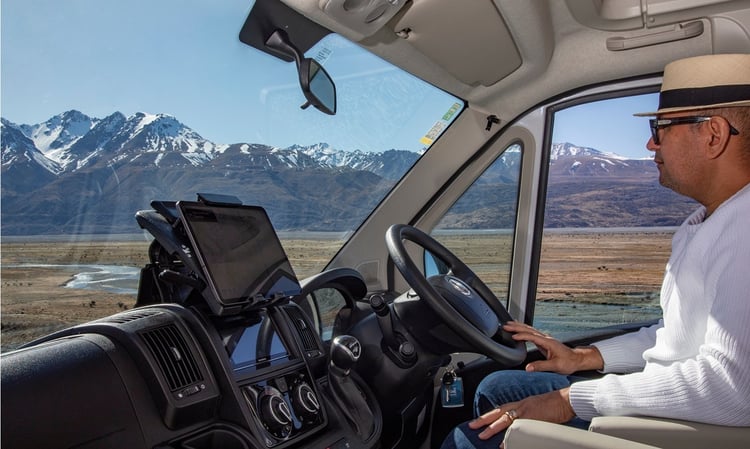
When renting a high end motorhome or campervan, you can expect it to be equipped with the latest safety features — similar to those found in modern vehicles, such as:
-
Advanced braking systems — the anti-lock braking system (ABS) prevents your motorhome’s wheels from locking up when you need to stop quickly
-
Stability control — electronic stability control (ESC) stops potential oversteering or understeering
-
Collision warning technology — which alerts you if you’re at risk of colliding with another vehicle or roadside object
-
A rearview camera — to help prevent you from reversing into obstacles, which is one of the most common causes of damage to RV rentals.
If you decide to choose a premium motorhome, ask whether the rearview camera has a wide viewing angle and a high-resolution display for optimal visibility. Don’t rely solely on the camera. Ask a passenger or someone nearby to help guide your motorhome backwards.
You’ll be less likely to get these safety features if you rent a budget or mid range motorhome or campervan in New Zealand. However, a premium or newer RV should have them.
Safety when motorhome travelling with kids
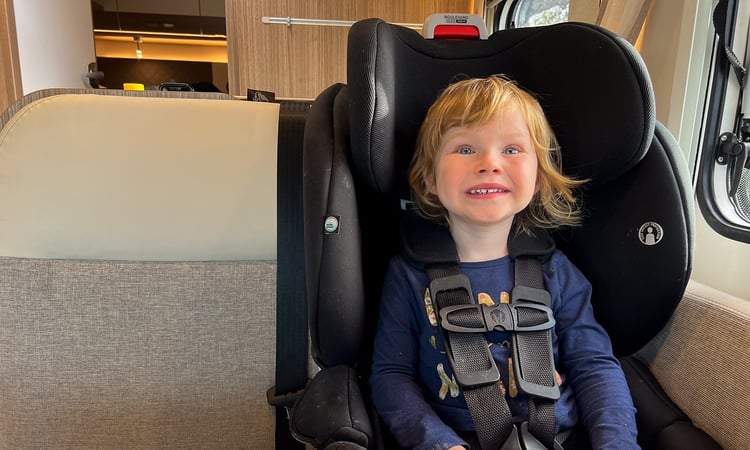
Are you planning to travel with young kids around New Zealand? If they’re seven years or under, they’ll need to be correctly secured in an approved child restraint — one that’s suitable for their weight and size.
Check that the rental operator offers child restraints — for free or at an extra cost.
If you have younger kids, you’ll want their sleeping setup in the RV to be safe. A couple of examples of this include:
-
Drop down beds with protective netting — that prevents rollout
-
A full-width king size bed — to stop rolloff.
Read our guide for more information about modern motorhome safety features in NZ.
Keeping valuables safe
Keep your small valuables safe — such as cards, cash and passports. Some premium motorhomes have lockable safety boxes to store such items onboard.
-